The World Cup Brought Generations Together. Did Marketing See It?
What one of the world’s greatest shared cultural experiences can teach us about multigenerational marketing.
Before the FIFA World Cup began, The Internationalist’s GenMORE+ Initiative posed a slightly different question about the world’s biggest sporting event.
Not simply: Who is watching?
But: Who is watching together?
We wondered whether a tournament capable of bringing much of the world into the same shared experience might reveal something important about the future of marketing.
Now that the matches have ended, the answer may be as interesting for what marketing didn’t show as for what it did.
Because while much of the advertising surrounding the World Cup celebrated football’s biggest players, celebrities, competition and youthful energy, look beyond the pitch and another story was unfolding.
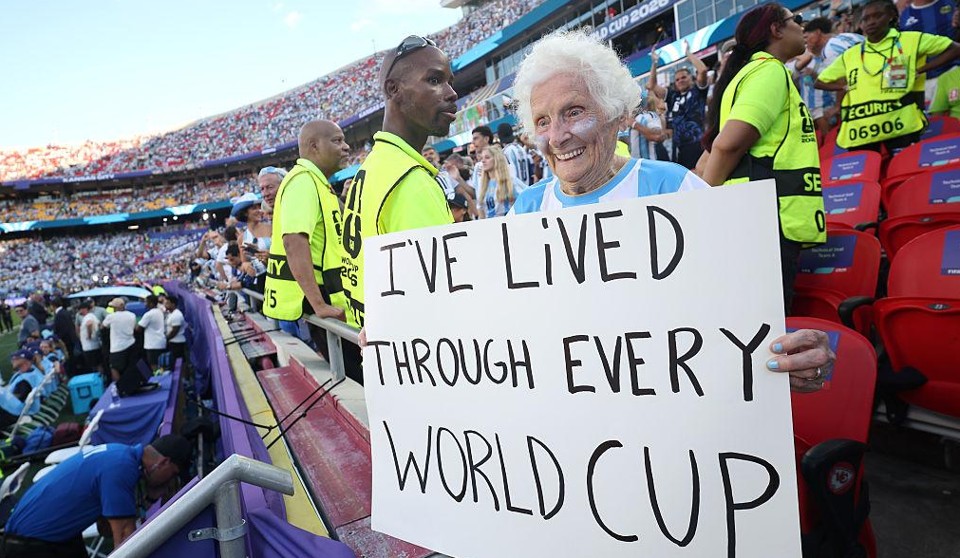
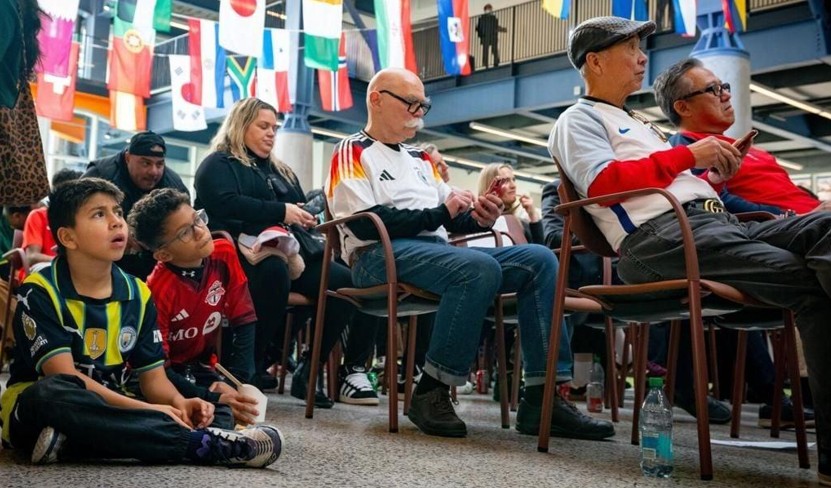
The World Cup audience was remarkably multigenerational.
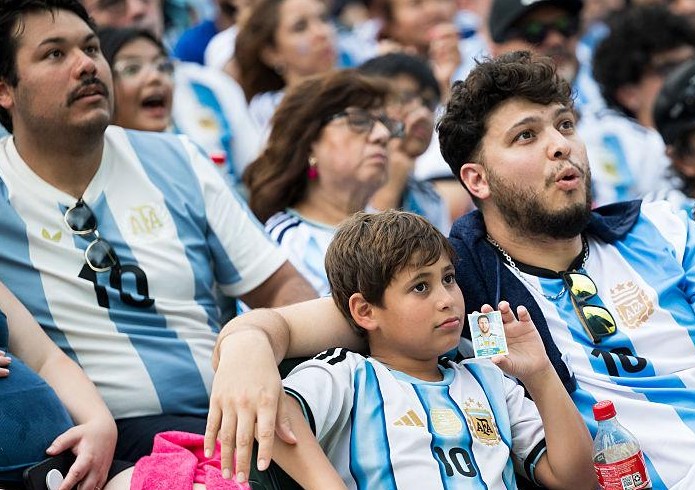
Children sat on shoulders. Parents and grandparents wore team colors. Lifelong supporters watched alongside first-time fans. Families crossed borders to attend matches together. Friends spanning decades gathered in stadiums, homes, bars and fan zones.
And they weren’t simply occupying the same spaces.
They were sharing the experience.
The Audience Told a Bigger Story
The scale alone was extraordinary.
More than 9 million people attended FIFA Fan Festivals across 13 host cities in Canada, Mexico and the United States during the tournament. The festivals combined football with music, entertainment and local culture—turning the World Cup into something considerably larger than 90 minutes on a pitch.
But the generational composition of World Cup fandom may be even more interesting for marketers.
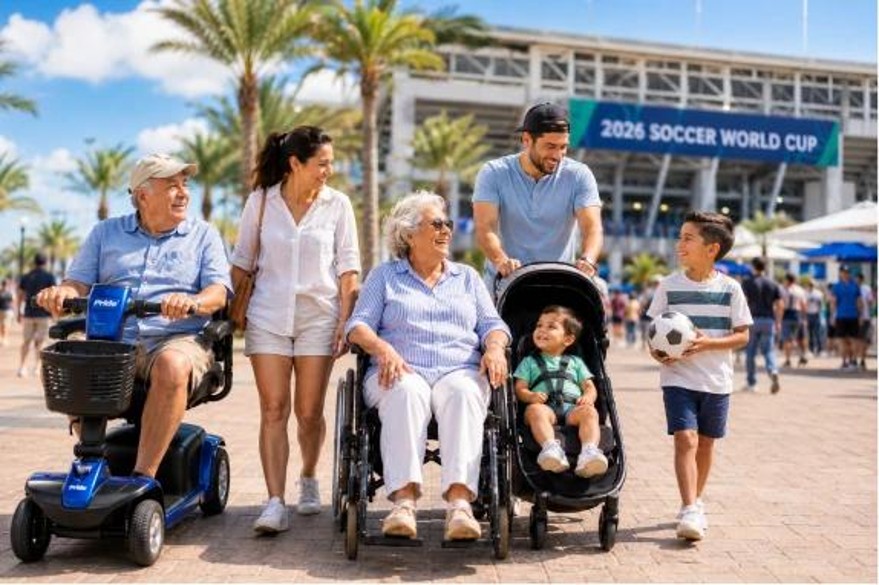
Pre-tournament research from Morning Consult showed that fandom varied substantially by generation and country. In Germany, Boomers and older adults represented 34% of World Cup fans; in Italy, 31%; and in France, 28%. Other markets, including Mexico and Brazil, skewed more heavily toward Millennials.
In other words, there is no single demographic definition of a World Cup fan.
The audience changes by market. The relationships surrounding fandom may matter just as much as age itself.
And some of the most compelling stories from the tournament made those relationships wonderfully visible.
Spain’s Pedro Porro reached the World Cup final with one particularly devoted supporter following every step: his 75-year-old grandfather, Antonio Sauceda. His grandfather had helped raise him, bought his first futsal shoes, drove him to practices and matches, and remained one of his greatest supporters. After Porro scored in Spain’s semifinal victory over France—on his grandfather’s birthday—the two spoke after the match, as they routinely did.
It is a football story.
But it is also a story about how passion travels between generations.
And around the tournament, countless less-famous versions of that story were visible in the stands.
Yet Advertising Often Looked Somewhere Else
None of this suggests that World Cup advertising failed.
Quite the opposite. The tournament produced ambitious creative work, enormous engagement and ingenious ways for brands to participate in one of the world’s largest cultural moments.
Nike’s sprawling Rip the Script brought together superstar footballers and global celebrities. Adidas’ Backyard Legends combined today’s stars with football icons from earlier eras. LEGO put some of the game’s biggest names around a table—and ultimately brought a child into the story.
There were examples of participation, nostalgia, community and fan culture throughout the tournament.
Yet much of the most visible creative still gravitated toward a familiar formula:
Stars. Players. Celebrities. Performance. Youth culture.
Perhaps that’s understandable. Sporting heroes create attention, and the World Cup produces some of the most recognizable people on earth.
But it raises another question: Did marketers capture the stars of the World Cup more readily than the relationships surrounding it?
From Representation to Relationship
For years, conversations about age and advertising have understandably focused on representation.
Are older people visible? Are they portrayed positively? Are stereotypes being challenged?
Those questions remain important. But GenMORE+ research has been pointing toward something else.
Some of the strongest campaigns aren’t simply showing people of different ages. They’re showing believable relationships between them.
Parents and children. Grandparents and grandchildren. Friends at different stages of life. People discovering, teaching, sharing and influencing one another.
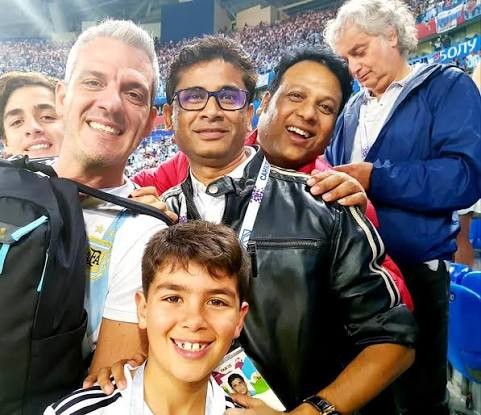
That’s the difference between multigenerational representation and multigenerational authenticity.
Football makes that distinction wonderfully clear because fandom isn’t simply consumed by different demographic groups.
It is passed along.
A grandparent introduces a child to a club. A parent recalls a legendary player. A teenager shows someone older a new way to follow the match. Families inherit rivalries, rituals, jerseys and loyalties.
Culture moves through relationships.
Marketing often still moves through target audiences.
Culture moves through relationships.
Marketing often still moves through target audiences.
What Does Cultural Relevance Really Mean?
Few ideas are invoked more often in marketing today than cultural relevance.
Brands want to be culture-first. Agencies promise to operate at the speed of culture. Marketers work hard to understand the conversations, creators, platforms, and moments shaping culture in real time.
Yet at the World Cup, culture was sitting right in front of us.
It was in the stands.
Children and grandparents. Parents and lifelong supporters. Friends of different ages. Families who crossed borders together. People sharing allegiances, rituals and memories that had often traveled from one generation to another.
Much of the advertising, meanwhile, continued to focus on the people on the pitch.
There is nothing wrong with celebrating players and stars. They are central to the spectacle.
But if marketers are serious about cultural relevance, perhaps relevance also means reflecting the people experiencing the culture—not simply the people creating the spectacle.
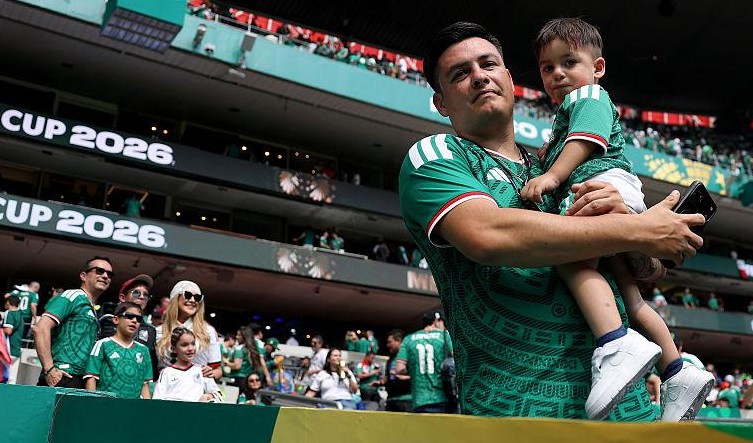
Which brings us back to the question GenMORE+ asked before the tournament:
Who is watching together?
The World Cup gave us an answer.
Perhaps marketing’s next opportunity is to pay closer attention to it.
Because some of marketing’s strongest ideas don’t simply reach different generations.
They recognize what already connects them.
GenMORE+
Helping organizations thrive in a multigenerational world.
GenMORE+ is an editorial and research initiative from The Internationalist exploring how longer lives, demographic change and multigenerational relationships are reshaping marketing, brands, experiences and business growth.
A question we’re continuing to explore:
Are marketers designing brands and experiences for people living longer, richer, more interconnected lives?