What 50 Years of Habitat for Humanity Can Teach Us About Building a Brand That Endures
Some brands endure because they protect what made them recognizable. The strongest endure because they also keep expanding what that promise means.
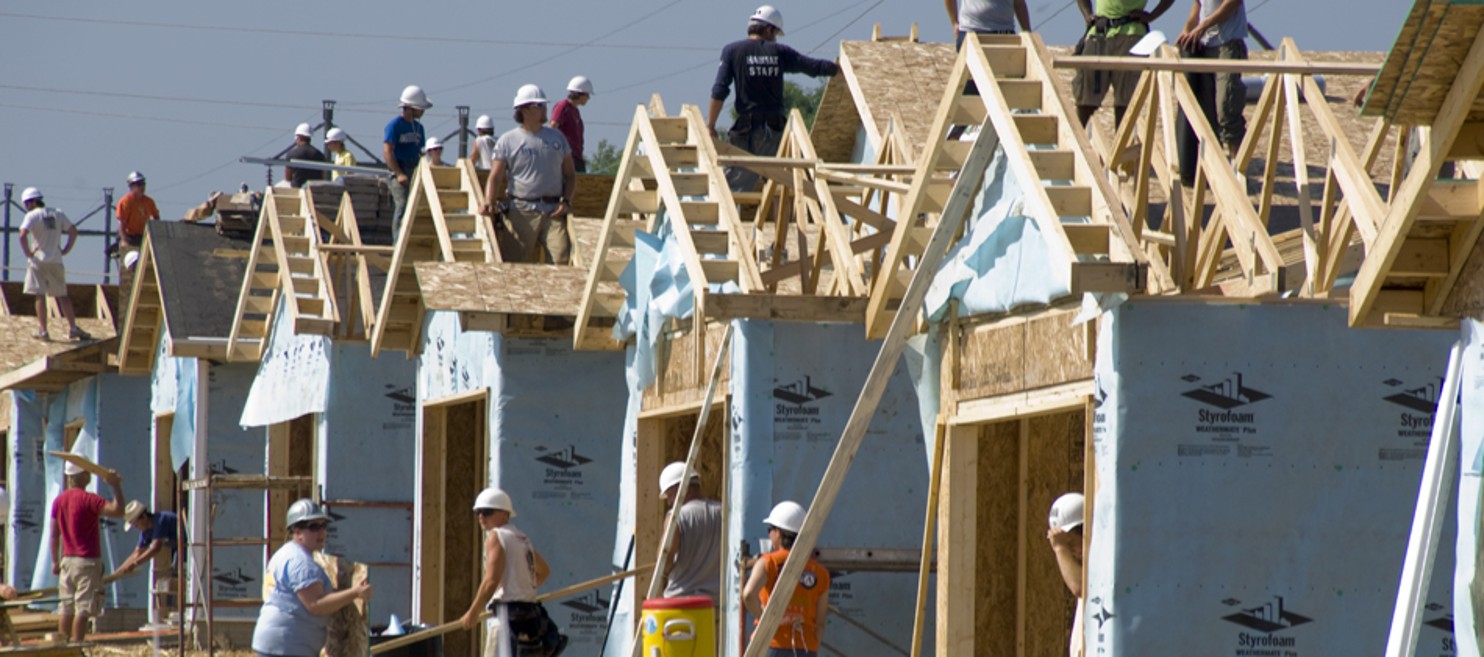
Mention Habitat for Humanity and an image appears almost immediately. Volunteers. Hammers. A house taking shape. People working side by side with the family who will call it home.
Few organizations—commercial or nonprofit—have managed to connect a name, an idea and an action so instantly.
For 50 years, Habitat for Humanity has been built around a remarkably simple belief: everyone deserves a decent place to live. And millions of people around the world have found a way to participate in making that belief tangible.
But perhaps the most interesting story at the 50-year mark isn’t simply that Habitat has remained consistent. It’s what the organization has learned about what it actually takes to make that promise possible.
For marketers, that raises an interesting question: How do you expand what you mean without losing what made people believe in you in the first place?
When an Iconic Idea Becomes a Bigger Idea
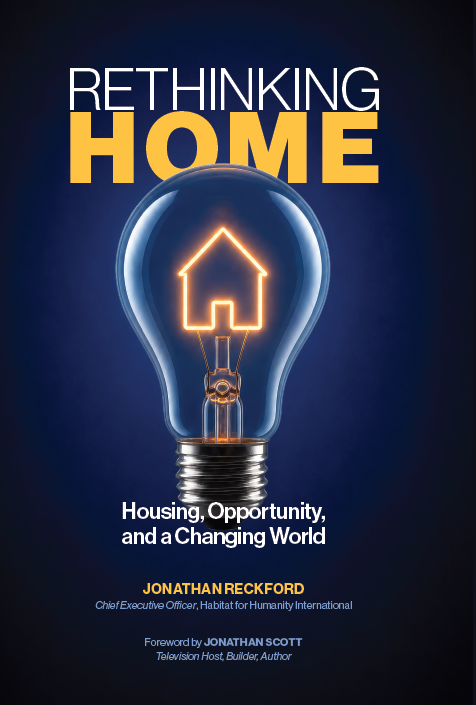
This year, as Habitat for Humanity marks its 50th anniversary, Internationalist Press is proud to publish Rethinking Home: Housing, Opportunity, and a Changing World by Jonathan Reckford, who has led Habitat for Humanity International for more than two decades.
The book began, appropriately enough, with an anniversary milestone.
But somewhere along the way, it became something larger.
Jonathan’s reflections kept returning to two related questions: What makes a home possible? And what does a home, in turn, make possible?
The answers extend well beyond construction.
Land matters. Capital matters. New approaches to building matter. So do health, resilience, policy, partnership and community. And home itself can influence education, financial stability, health, opportunity and what becomes possible for the next generation.
None of this makes the familiar Habitat house less important. It makes the house mean more.
There is an important lesson here about brand consistency.
Consistency doesn’t necessarily mean remaining unchanged. Sometimes it means remaining faithful to a central promise while continuing to learn what fulfilling that promise now requires.
Habitat’s mission remains remarkably recognizable Its understanding of how to advance that mission has become considerably more sophisticated.
From Watching to Participating
Long before “engagement” became part of the marketer’s vocabulary, Habitat understood something important about participation.
People don’t simply observe the mission. They enter it. They pick up a hammer. They work alongside homeowners. Colleagues participate in company builds. Communities come together around something tangible.
At its best, Habitat has always been about building with, rather than simply doing something for someone else. Homeowners aren’t passive recipients of an act of generosity. They participate in creating what comes next.
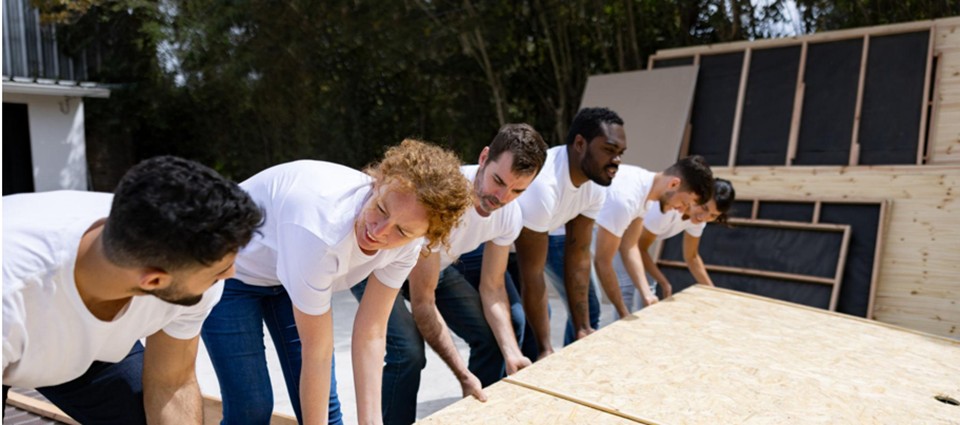
And we remember participation differently from observation.
That may be increasingly relevant to marketers. Are we giving people more messages to receive—or meaningful ways to participate?
At a time when brands are under growing pressure to demonstrate contribution rather than simply communicate what they believe, Habitat offers an interesting model.
It hasn’t merely told people its story. It has given people a way to participate in it.
Housing Is No Longer Someone Else’s Issue
There is another reason Rethinking Home should matter to business leaders and marketers.
Housing can be easy to place in someone else’s box. It is a government issue. A real-estate issue. A philanthropic issue. A social issue.
Except increasingly, it is also a business issue.
When employees cannot afford to live near where they work, housing becomes a workforce issue. When inadequate housing affects health and educational outcomes, it becomes a community issue. When rising costs reshape where people can live, work and spend, it becomes an economic issue. When extreme weather threatens homes and communities, resilience becomes everybody’s concern.
Companies don’t simply operate in communities. They depend upon them. Employees need places they can afford to live. Businesses need healthy local economies, resilient neighborhoods and communities able to recover when disaster strikes. Brands depend upon the people and places they serve being able to thrive.
That doesn’t mean every company needs to become a housing expert. But it does suggest that marketers—particularly those charged with understanding people, communities and the changing context in which brands operate—should pay attention.
It also creates a different context for corporate participation in housing.
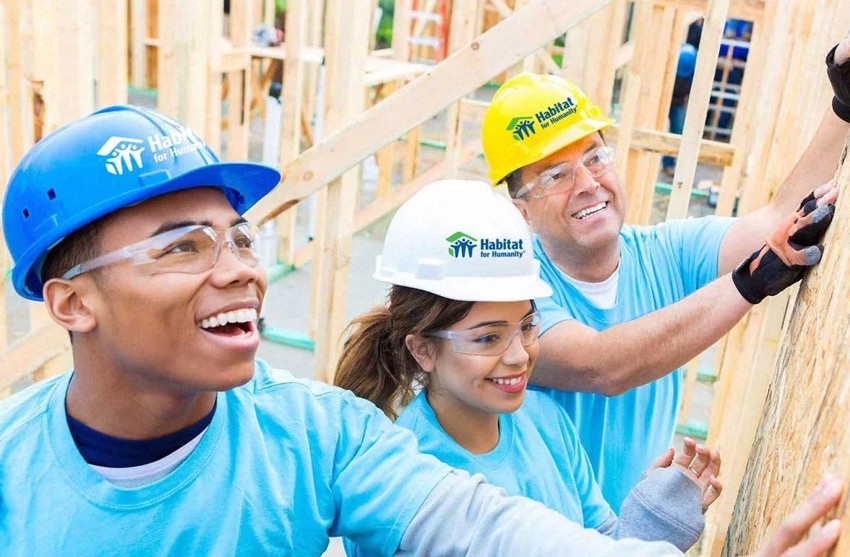
Working with an organization like Habitat for Humanity isn’t simply an act of philanthropy removed from the business. It can be a way for companies and their employees to participate in strengthening—or rebuilding—the communities of which they are already a part.
And Habitat offers something relatively unusual: participation can be tangible. Employees can build alongside homeowners. Companies can bring resources, expertise and relationships to challenges that extend beyond an individual house. In communities recovering from disaster, they can help restore not only homes, but some of the stability upon which everyday life and local economies depend.
Perhaps the question for companies is therefore changing. It is no longer only, “What causes should we support?”
It may also be, “What does this community need in order to thrive—and what role are we genuinely equipped to play?”
Perhaps this is where Habitat’s next chapter becomes especially interesting.
Its role isn’t simply to ask more people to care about housing. It can help more people understand why housing is connected to so many of the things they already care about.
What Does an Enduring Brand Really Preserve?
Anniversaries naturally encourage organizations to look backward. And 50 years deserves celebration. But perhaps the more useful anniversary question is: What have we learned that should change what we do next?
Rethinking Home doesn’t pretend that Habitat—or anyone else—has all the answers to today’s housing challenges. Instead, Jonathan Rexford’s experience reveals how interconnected the questions have become.
And perhaps that points to one of the most important characteristics of an enduring brand: knowing the difference between its promise and its methods. The promise can remain remarkably constant. The methods must continue to evolve.
The familiar image of a Habitat build remains as powerful today as it has been for decades. But behind that image now sits a much richer understanding of land, finance, construction, community, partnership, opportunity—and the many actors required to make adequate housing possible at meaningful scale.
That’s not moving away from the original idea. It’s discovering how much the original idea contains.
And that may be the question Habitat’s 50th anniversary leaves for the rest of us: What does your brand stand for so clearly that people can picture it… And are you still learning what fulfilling that promise requires?