BEYOND BECKHAM: The World Cup Marketing that Added Something to the Experience
The official sponsors of the 2026 FIFA World Cup certainly received what they paid for: extraordinary visibility among one of the world’s largest shared audiences.
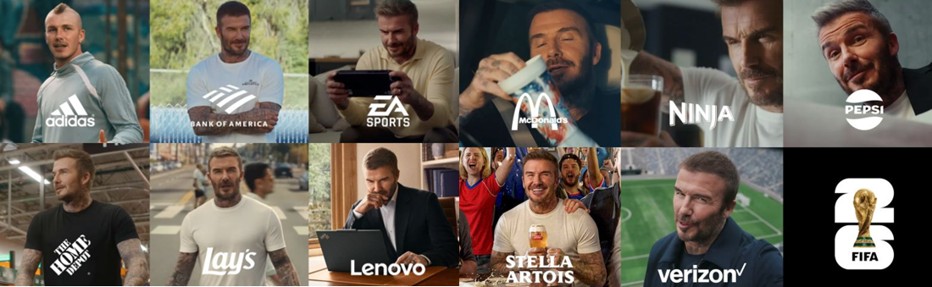
And then there was David Beckham.
The former England captain seemed to be everywhere—appearing in campaigns for nearly a dozen brands across sportswear, banking, food, technology, home improvement and telecommunications. At moments, Beckham felt less like an ambassador for any one company than the unofficial commercial face of the entire tournament.
His ubiquity raised a familiar marketing question: When does repeated exposure build recognition, and when does it begin to dilute the endorsement?
Yet beyond the official sponsors, celebrity partnerships and immense media investments, another World Cup marketing story was unfolding.
Some of the tournament’s most memorable ideas came from brands that found smaller, sharper and more human ways to join the experience. They did not simply advertise around the World Cup. They made people laugh, feel welcomed, solve a problem, reconsider an assumption, or enjoy the event a little more.
Sharing the Emotion
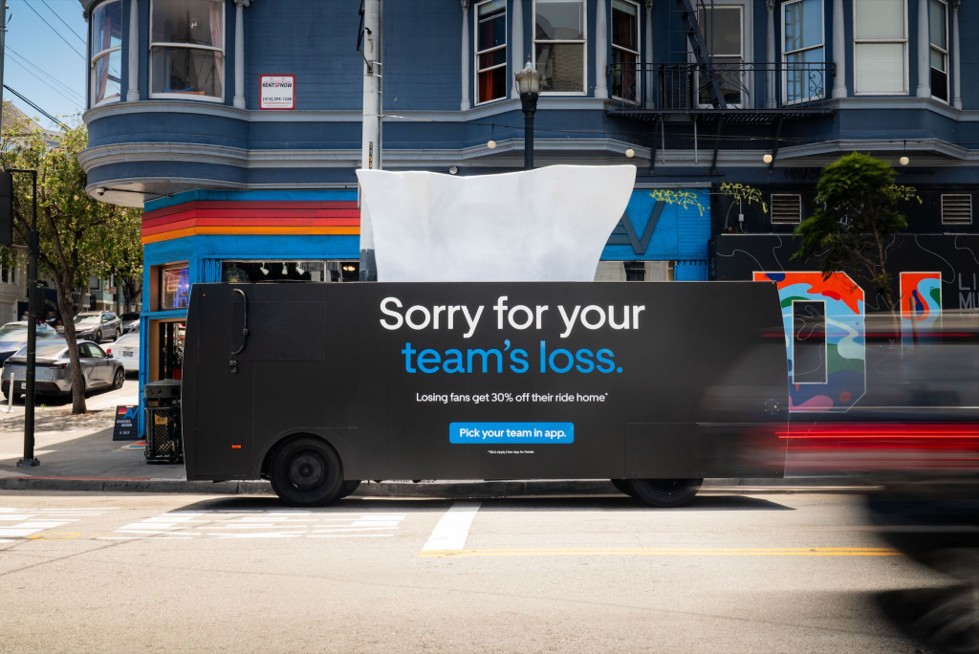
Uber transformed the heartbreak of elimination into a knowing gesture of sympathy. Its giant mobile tissue boxes, accompanied by “Defeated Discounts,” acknowledged something every fan understood: eventually, almost everyone’s team loses.
The idea worked because it did not stand outside the emotion and comment on it. It joined fans inside it.
Turning Tourism into Hospitality
One of the tournament’s most uplifting stories emerged from the affection between Scotland’s supporters and the city of Boston.
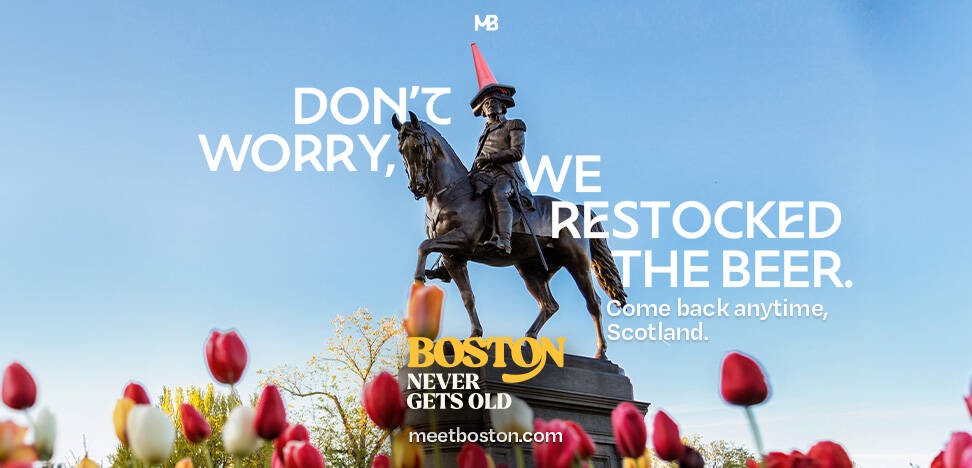
After Scottish fans generated headlines for their enthusiasm—and reportedly drank more than a few establishments out of beer—Meet Boston welcomed them home with outdoor advertising in Glasgow and Edinburgh.
“Don’t worry, we restocked the beer. Come back anytime, Scotland.”
Most tourism campaigns ask people to visit. Meet Boston asked them to return. That single shift transformed destination marketing into an expression of friendship between cities.
Solving a Fan Problem
Players received mandated hydration breaks during extreme summer heat. Fans faced many of the same conditions without comparable support.
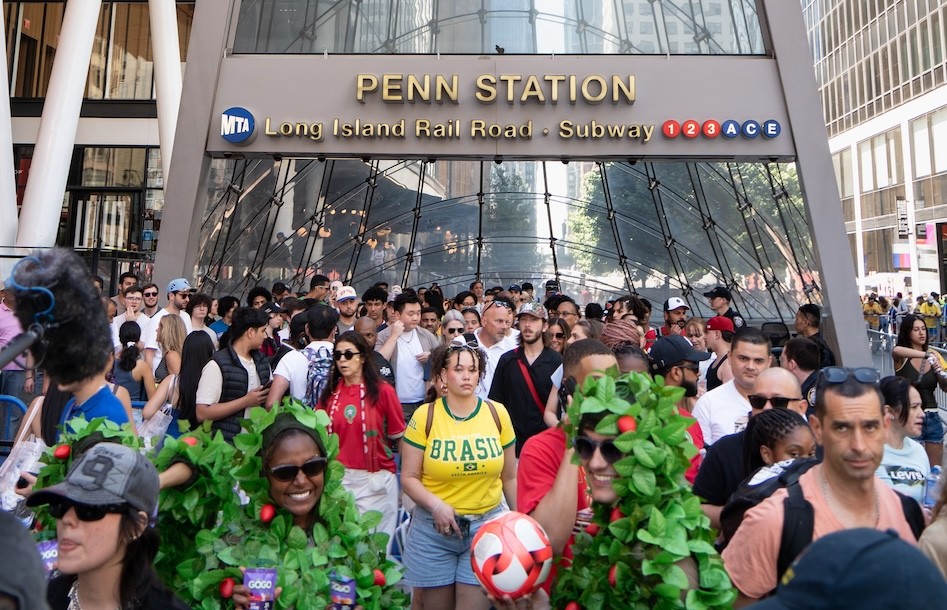
GoGo squeeZ responded by distributing protein and electrolyte products at transit hubs in New York, Los Angeles and Kansas City. Its “Fueling the Fans” activation met people where they were already gathering and addressed a real need.
The strongest idea was not the sampling itself. It was the decision to begin with the question: What do fans need?
Making Everyday Life Part of the Celebration
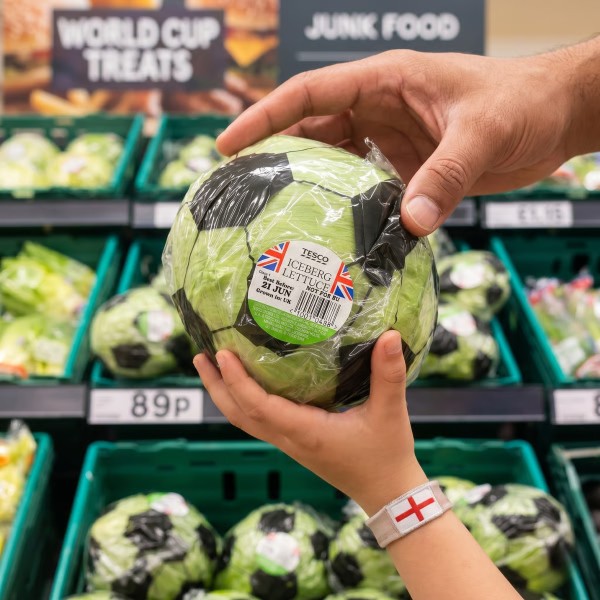
Tesco turned ordinary iceberg lettuces into footballs through limited-edition packaging.
The idea was simple, playful and instantly understandable. Rather than speaking solemnly about healthy eating, Tesco made produce feel like part of the tournament.
Sometimes participation does not require a stadium, a celebrity or an enormous media budget. It requires seeing an everyday object differently.
Reframing the Opportunity
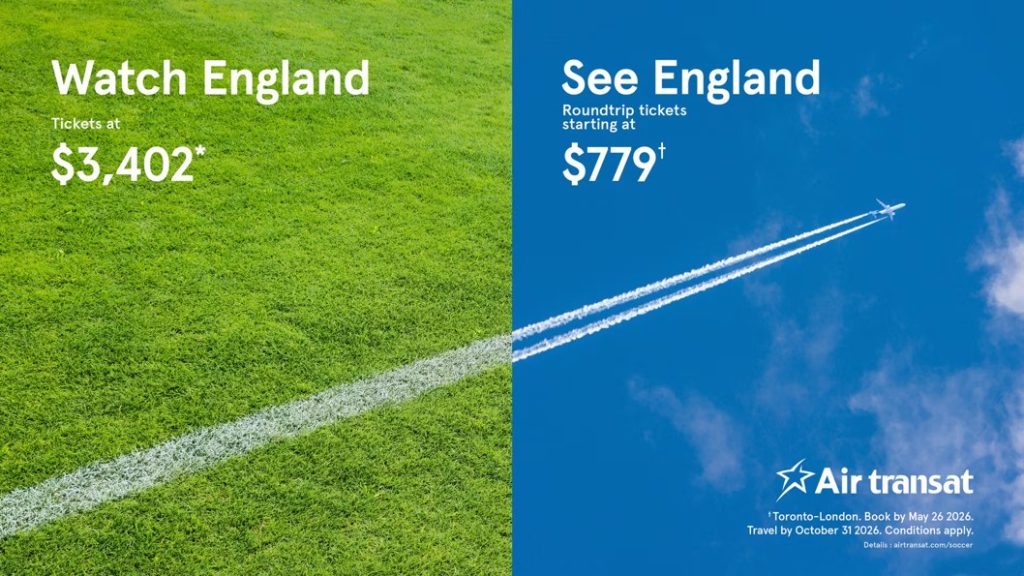
Air Transat compared the soaring price of match tickets with the cost of flying to the country itself.
“Watch England” cost thousands.
“See England” cost considerably less.
The campaign did more than point out a price discrepancy. It reframed what the World Cup might inspire. Fans who could not afford to attend a match could still experience the culture, place and people behind the team.
Letting Brand Voice Do the Work
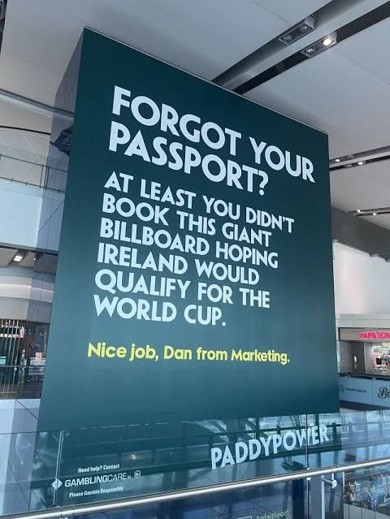
Paddy Power demonstrated that a distinctive voice can compete with extraordinary spending.
Its irreverent outdoor work played with national rivalries, travel disappointments and the absurdities surrounding the tournament. The campaigns were unmistakably Paddy Power because the humor could not easily have belonged to another brand.
That is often the difference between merely joining a conversation and contributing something memorable to it.
From Communication to Contribution
For years, marketing’s role was largely defined by communication: say something clearly, persuasively and at scale.
Increasingly, the strongest brands have learned to participate in culture rather than simply speak alongside it.
The most memorable World Cup activations went further still. They contributed something—humor, hospitality, nourishment, empathy, playfulness or possibility—to the shared experience itself.
In its own way, the tournament offered a vivid reminder that marketing really can make a world of difference—especially when brands contribute something to the moment rather than merely attach themselves to it.
The World Cup reminded us that great marketing isn’t measured only by how many people see it. It’s also measured by whether it adds something worthwhile to one of the world’s greatest shared experiences.