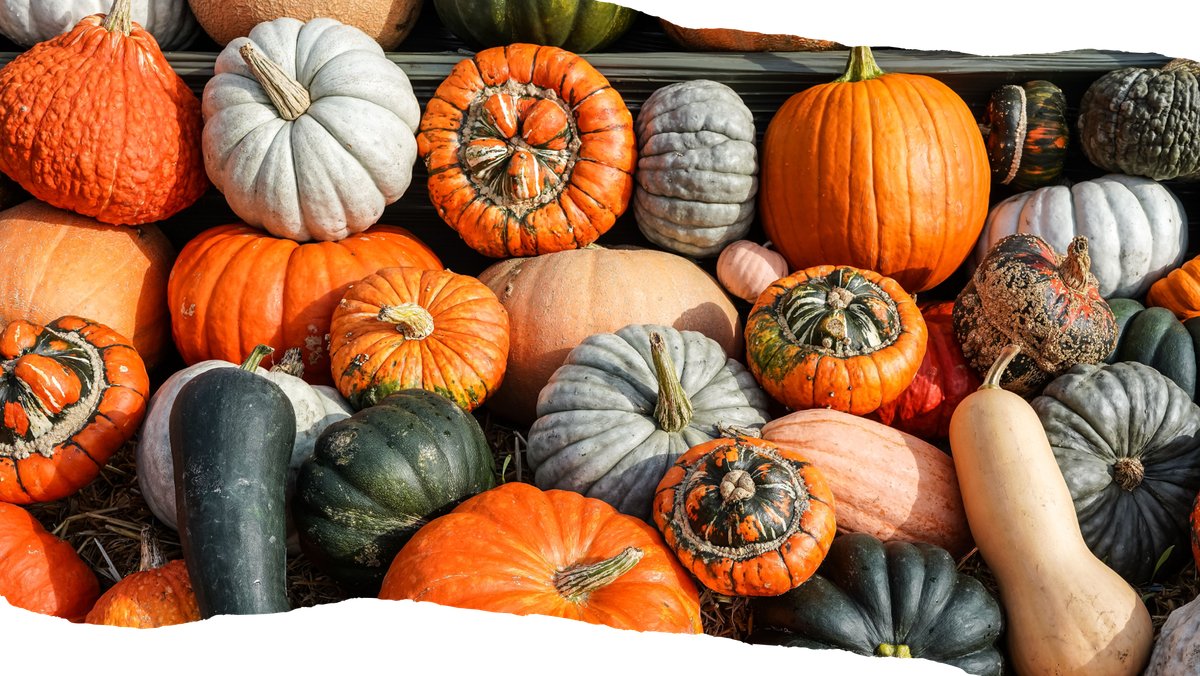
The World Has Gone Pumpkin. Or Has It?
How an American autumn obsession is traveling the globe—and what it reveals about the marketing of seasons.
National Pumpkin Day was earlier this week in the US. Halloween is just around the corner.
Which got us wondering: Has the entire world gone pumpkin crazy? Or have marketers simply become extraordinarily good at turning autumn’s arrival into a global commercial occasion?
Consider the evidence …
Americans have long celebrated autumn with pumpkin pie, pumpkin bread, and pumpkin cheesecake. But somewhere along the way, pumpkin escaped the dessert table.
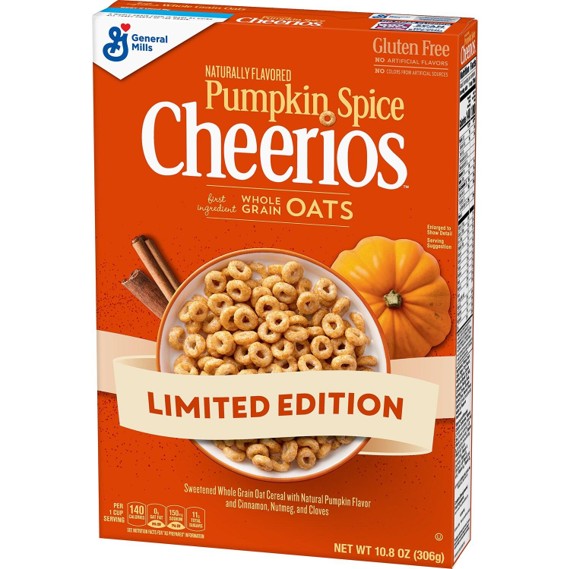
It found its way into breakfast cereal (yes, Pumpkin Spice Cheerios), coffee, chocolates, biscuits, candles, cosmetics and just about anything else marketers could imagine.
Apparently, autumn is no longer just a season. It’s a product category.
Pumpkin Goes International
What began as a seasonal Starbucks Pumpkin Spice Latte has become something approaching an annual marketing ritual, with the drink now available across much of the world.
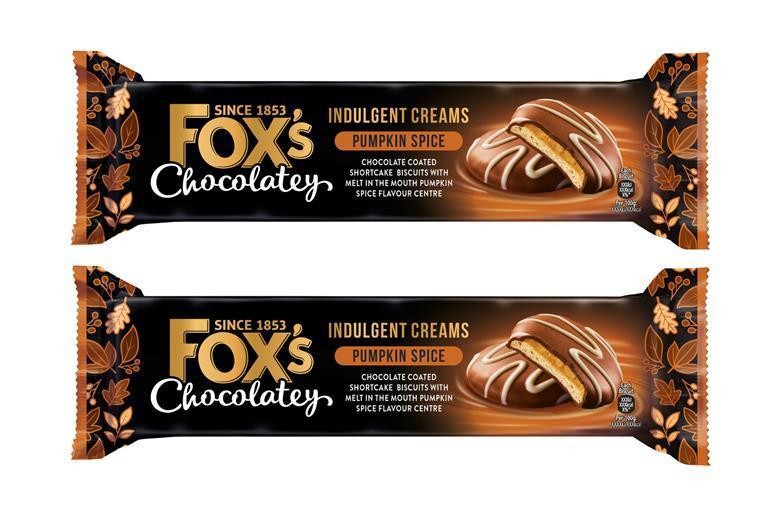
In Britain, Fox’s introduced Pumpkin Spice Indulgent Creams, bringing the familiar combination of cinnamon and ginger to a chocolate-coated biscuit.
In Germany, Cupper Teas launched Pumpkin Winter Magic, combining pumpkin and traditional winter spices with rooibos, orange, and caramel notes.
In Italy, Starbucks’ pumpkin-spice flavor has found its way into Nespresso capsules, bringing the American autumn ritual into the home.
And in China, pumpkin has appeared in ice cream paired with red plum and chestnut cream—a rather different interpretation of the season.
Japan offers another interesting contrast. While the American-style Pumpkin Spice Latte has made appearances there, Japanese autumn traditions have long celebrated flavors such as chestnut, sweet potato and kabocha.
Which raises an intriguing question: Is the world embracing pumpkin spice, or are marketers discovering how to translate the emotional appeal of autumn into different cultural settings?
When a Season Becomes a Selling Point
The numbers suggest this is more than a passing American fascination.
Research from Focal Systems, analyzing grocery-store shelves in the United States and Britain, found that pumpkin-spice products reached half of tracked American stores by August 7 this year. In Britain, the comparable date was September 21—18 days earlier than in 2024.
But what consumers encounter differs considerably. In America, coffee creamer dominates the most widely stocked pumpkin-spice products. In Britain, soup leads the list, while candles and plug-in air fresheners account for a striking share of the assortment. Researchers even spotted pumpkin-spice nail polish.
Clearly, pumpkin has escaped the coffee cup, too.
And apparently, you don’t even need to sell anything remotely related to pumpkins.
On National Pumpkin Day, I woke to an email from a clothing retailer announcing a “Hello, Gourdgeous!” flash sale. The merchandise had absolutely nothing to do with gourds. But I did buy a pair of boots at 50% off.
They were indigo, not orange. All in the spirit of celebrating pumpkins, of course.
And sometimes the pumpkin doesn’t even need to taste like pumpkin.
Consider Reese’s Peanut Butter Pumpkins. The familiar chocolate-and-peanut-butter combination becomes a Halloween favorite simply by changing its shape. No pumpkin flavor required. Just a recognizable symbol of the season—and an occasion to celebrate it.
That’s an important distinction.
The Marketing of Autumn
Pumpkin spice may be the most recognizable American expression of autumn, but it isn’t the only one. Across the Northern Hemisphere, seasonal traditions have their own flavors, symbols and associations.
Even the word pumpkin isn’t quite universal. In Germany, Kürbis encompasses pumpkins and many squashes. In France, citrouille, potiron and courge describe different, sometimes overlapping varieties. And Japan’s kabocha is a familiar autumn staple with its own culinary identity.
What marketers increasingly understand is that people aren’t necessarily buying another flavor or fragrance. They’re buying a small way to acknowledge the changing season.
And the limited-time nature of these products adds anticipation, familiarity, and a reason to return.
Of course, there may be limits to how far the phenomenon can go. Or perhaps not …
An American company called CRUSH! has introduced a pumpkin-spice-scented floor mat that releases its fragrance when stepped on.
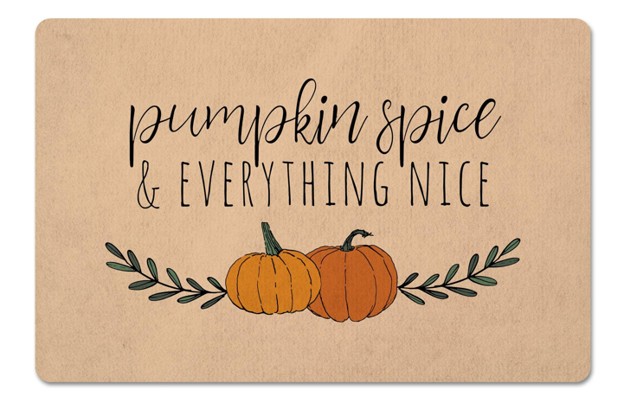
Yes, you can now literally walk on pumpkin spice.
The world may not agree on what constitutes a pumpkin—or even what autumn should taste like.
But marketers seem increasingly convinced that the season itself is something worth selling.