When America’s 250th Birthday Party Goes Global
How the FIFA World Cup is helping America—and the world—rediscover one another.
More than 13 million visitors are expected to travel across North America during the 2026 FIFA World Cup, with international supporters accounting for roughly 40% of stadium attendance. Many will stay for two weeks or longer, visit multiple cities, and spend more than $5,000 each as they experience the United States, Canada and Mexico.
Those numbers tell one story.
The people tell another.
As America prepares to celebrate its 250th birthday, the World Cup has become something far more meaningful than a global sporting event. It is creating millions of unexpected encounters—between cultures, traditions, neighborhoods, restaurants, and complete strangers—that remind us how quickly perceptions can change when people experience one another firsthand.
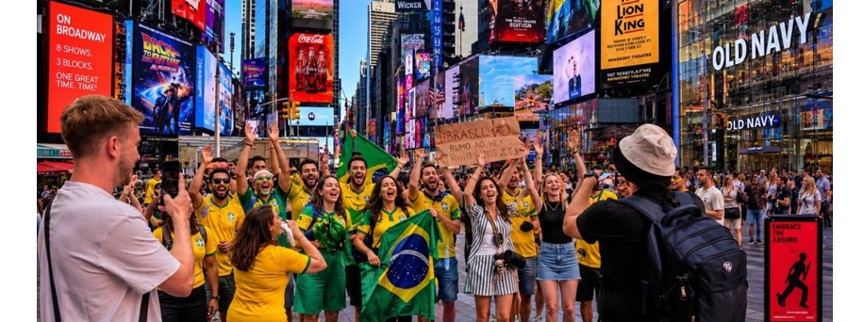
The World Is Arriving
For many Americans, the World Cup has become a front-row seat to the world’s cultures.
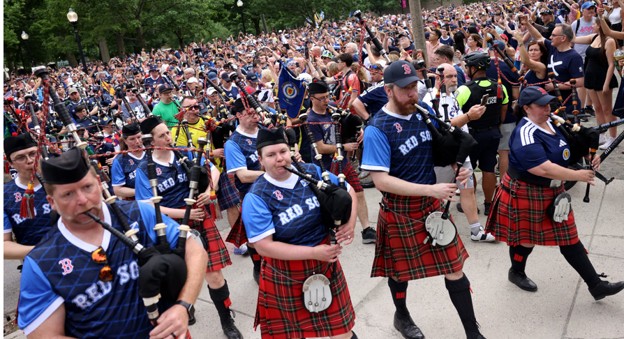
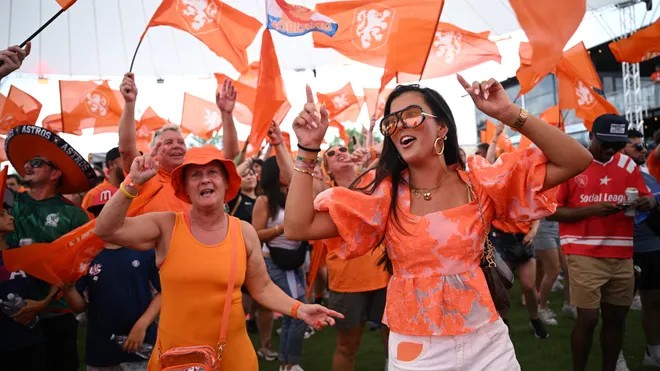
Scottish supporters—led by the legendary Tartan Army—transformed Boston into a sea of kilts, songs and smiles before heading south to Miami. Their embrace of Red Sox jerseys became almost as memorable as the football itself.
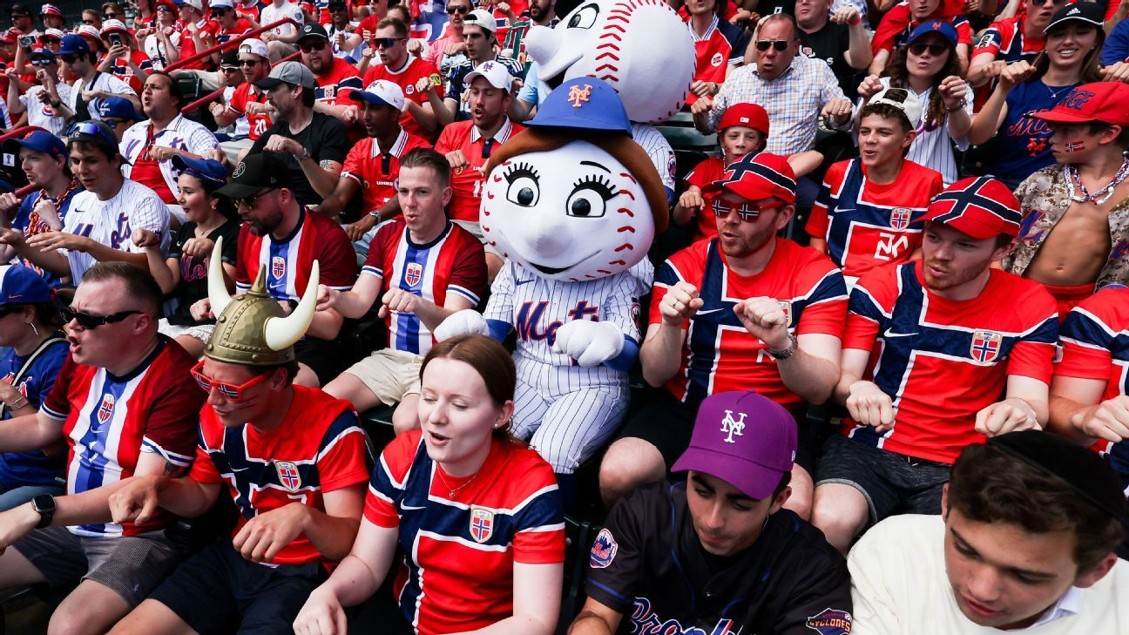
Norwegian supporters turned Times Square into an enormous “Viking Row,” introducing millions of Americans to a national tradition that few outside Scandinavia had ever seen. It was joyful, distinctive, and impossible to forget.
Argentine fans have enthusiastically embraced Texas barbecue. Across social media, visitors have been documenting food, music, neighborhoods, and conversations that rarely make international headlines.
Each encounter becomes another reminder that countries are best understood not as headlines, but as people.
What Visitors Keep Discovering About America

Perhaps the biggest surprise has been the gap between expectation and experience.
Many visitors have commented on things they didn’t expect to find:
- Warm, welcoming people.
- Regional cultures that feel remarkably different from one another.
- Great local food—from barbecue to diners and neighborhood favorites.
- Cleaner cities and public spaces than anticipated.
- A sense of excitement that extends well beyond the stadiums.
During a recent conversation with Pat McLean, Chief Marketing Officer of Love’s Travel Stops, he described hearing remarkably similar reactions after attending matches in Houston. Visitors weren’t simply talking about football. They were talking about hospitality, food, road trips, and discovering a side of America they hadn’t expected.
For many, the tournament has become less about checking another destination off a travel list and more about experiencing everyday America.
What Americans Are Discovering
The exchange works both ways.
For Americans, the World Cup has become a window into cultures they may never have encountered firsthand.
A synchronized Viking Row suddenly gives Norway a memorable identity.
The songs of Scottish supporters become instantly recognizable.
Argentine football passion extends far beyond the stadium gates.
Traditions that once felt distant become familiar.
People become ambassadors for their countries without ever intending to be.
As branding expert Martin Lindstrom recently observed, thousands of Norwegian supporters managed to give their country an instantly recognizable symbol through one joyful act. Sometimes distinctiveness isn’t created by advertising. It’s created by people creating memorable experiences together.
Brands Are Learning, Too
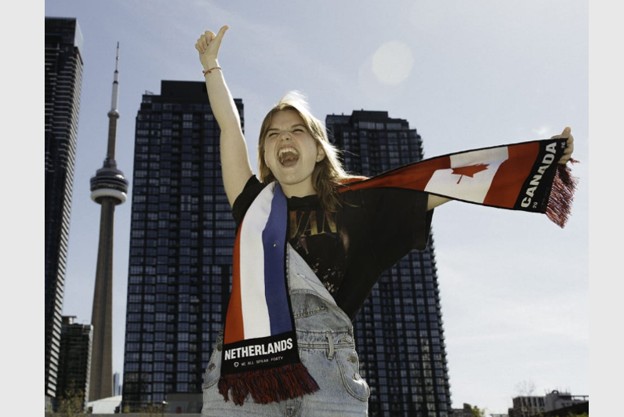
Some of the tournament’s most thoughtful marketing recognizes this spirit rather than trying to control it.
One simple example is FanDuel’s reversible scarves, designed for supporters who proudly cheer for more than one nation. The campaign acknowledges a modern reality: identity today is often layered rather than singular, and many fans carry more than one cultural home in their hearts.
Cities have created fan festivals. Restaurants have welcomed international visitors. Local businesses have embraced national traditions they may never have encountered before.
The brands that feel most authentic are those helping people connect—not telling them how to feel.
More Than a Sporting Event
At Cannes this year, much of the industry’s conversation centered on artificial intelligence, creativity and the future of marketing.
Yet outside the conference halls, another lesson has quietly been unfolding.
Perceptions aren’t changing because of advertising campaigns alone.
They’re changing because strangers are sharing meals.
Because football supporters are teaching songs to local residents.
Because visitors are discovering neighborhoods instead of stereotypes.
Because people are experiencing one another directly.
That may be one of the most valuable reminders for marketers—and for all of us.
As America celebrates its 250th birthday, the World Cup is offering something increasingly rare in today’s world: genuine human connection across cultures.
The World Cup isn’t simply bringing the world to America.
It’s allowing America—and the world—to rediscover one another.
World Cup by the Numbers
- 13.1 million projected visitors across the United States, Canada and Mexico.
- 40% of stadium attendees expected to come from outside the host countries.
- Visitors from Latin America average 16-night stays, Europeans 14 nights, and travelers from Asia-Pacific 13 nights.
- International visitors are expected to spend more than $5,000 per person.
- German supporters are currently visiting the greatest number of host cities during their World Cup journeys.