Mike Nelson: The Delicate Art of Brand Evolution
For nearly two centuries, Martin Guitar has balanced craftsmanship with innovation. Mike Nelson explains why enduring brands don’t choose between heritage and progress—they learn how to honor both.
Marketing has always celebrated the new.
New technologies. New platforms. New audiences. New ways of reaching consumers.
Yet some of the world’s most admired brands have endured for generations—not because they resisted change, but because they learned how to evolve without losing the qualities that made people care in the first place.
That balancing act has become one of marketing’s greatest leadership challenges.
Few understand such balance better than Mike Nelson, Vice President of Marketing at Martin Guitar. Recognizing both his leadership and his thoughtful approach to brand stewardship, The Internationalist recently named Nelson one of its 2026 Internationalists of the Year. In our Trendsetter conversation, he reflects on the challenge facing every enduring brand: how to evolve without losing the authenticity that made people care in the first place.
Founded in 1833, Martin Guitar has helped shape the sound of modern music. Its instruments have been played by generations of artists, from legendary musicians to aspiring performers discovering their own voices. But Mike is quick to point out that the company’s greatest challenge isn’t preserving history. It’s ensuring that history continues to matter.
60-second highlight: “The Delicate Art of Brand Evolution”

Growing Without Losing Your Soul
“It’s a great question,” he says when asked how a heritage brand evolves without losing authenticity. “The short answer is very, very carefully.”
Then he offers an observation that feels increasingly relevant far beyond the music business.
“The purists have a distinguished history of protecting the brands they love right up until they go bankrupt.”
It’s a provocative statement, but one grounded in experience.
Brands that refuse to evolve eventually become irrelevant. Yet brands that change too quickly often abandon the very qualities that built trust in the first place. The answer, Mike believes, isn’t choosing one path over the other. It’s understanding what should remain constant while allowing everything else to grow.
Purpose Beyond the Product
For Martin, that begins with purpose.
Before introducing new products, entering new markets, or responding to changing consumer expectations, Mike believes organizations must first answer a more fundamental question:
Why do we exist?
For a heritage brand, that answer isn’t invented in a boardroom. It’s discovered in the company’s history.
“What made it successful in the first place? Why did those core customers fall in love with you?” he asks.
Once that purpose is understood, innovation becomes far less intimidating.
Every few years, marketers can ask themselves another question: What can we do that makes us relevant today while remaining true to that original purpose?
That simple discipline transforms innovation from disruption into stewardship.
It also explains why Martin Guitar continues to resonate nearly two centuries after its founding.
Making Luxury More Accessible
One area where Mike’s thinking is particularly refreshing is his definition of luxury.
Many marketers associate luxury with exclusivity. Mike begins somewhere entirely different.
Luxury, he says, is about delivering consistent quality. Creating an elevated experience. Building emotional connection.
Only then does exclusivity enter the conversation.
Martin has taken a different path.
Rather than limiting who can experience the brand, the company has worked to make that experience accessible across a remarkably broad range of products.
Entry-level guitars begin around $500, while rare collector instruments can sell for more than one million dollars.
Different customers.
Different price points.
The same commitment to craftsmanship.
Mike describes this as “accessible luxury.”
It’s a compelling idea because it shifts luxury away from ownership and toward experience.
Regardless of price, every Martin guitar should deliver the same emotional connection, the same quality, and the same sense of belonging to something much larger than the instrument itself.
That consistency may be one of the reasons the brand continues to attract new generations of musicians without alienating longtime enthusiasts.
When Authenticity Becomes Tangible
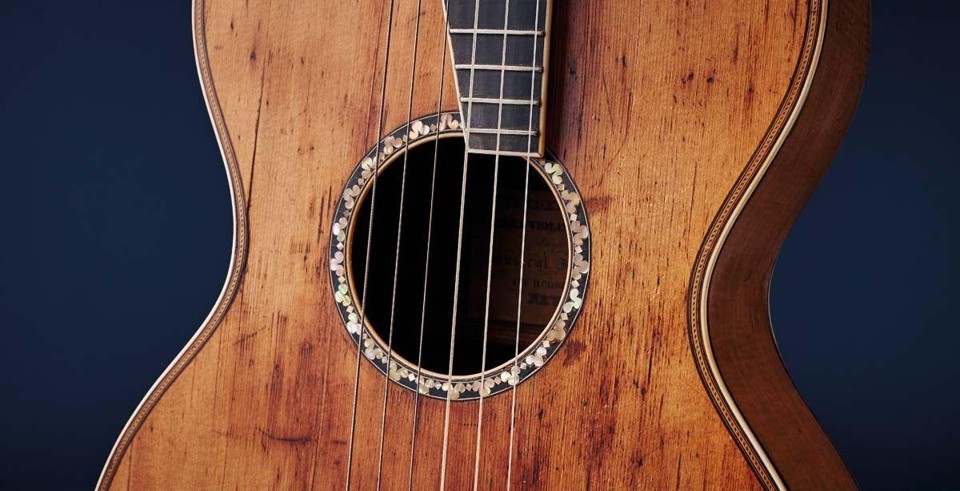
Of course, craftsmanship remains central to Martin’s identity.
Mike believes people immediately feel the centuries of expertise embedded in each instrument, even if they can’t fully explain why.
“You can feel that there’s this craftsmanship and centuries of experience that go into it,” he says.
But there is something else he hopes people experience.
Passion.
Not marketing passion.
Human passion.
The people who build Martin guitars understand that their work often becomes part of life’s most meaningful moments—first songs, family traditions, professional careers, celebrations, memories.
That perspective changes how they approach their craft.
Then Mike offers perhaps the most revealing observation of our conversation.
“We literally make things that can make the world a better place.”
It’s a simple statement.
But it explains why discussions about authenticity, craftsmanship, heritage, and innovation all point toward something larger than marketing strategy.
They become expressions of belief.
When Craftsmanship Becomes Belief
Perhaps that’s why Martin Guitar has remained relevant for nearly two centuries.
The company hasn’t survived by preserving the past.
Nor has it succeeded by chasing every trend.
Instead, it has learned something many organizations continue to struggle with.
Brands don’t endure because they avoid change.
They endure because they understand exactly what deserves to remain unchanged.
As marketers confront accelerating technological change, shifting consumer expectations, and entirely new competitive landscapes, Mike Nelson’s philosophy offers an important reminder.
Evolution is inevitable.
Authenticity is intentional.
The most successful brands find a way to honor both.
The Internationalist Trendsetters
Conversations with the people whose thinking is shaping the future of marketing.
Because the best ideas deserve to be shared.