THE EDIT | The Best Marketing Solves Something
Sometimes through design. Sometimes through humor. Sometimes through the smallest of ideas.
Every once in a while, a handful of seemingly unrelated ideas begin to feel strangely connected.
- A ketchup package solves an everyday frustration.
- A McDonald’s package becomes a table.
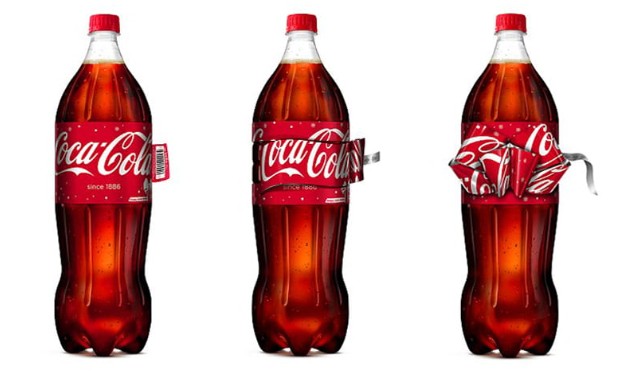
- A bottle becomes part of a gift.
- A retailer recognizes one of life’s biggest transitions.
- A children’s doll helps explain why sunscreen matters.
At first glance, they have very little in common. Different companies. Different countries. Different categories. Some are recent. Others are not.
Yet I found myself lingering over each one for the same reason.
None was trying especially hard to advertise.
Each was trying to improve a moment.
That may not sound like much. But perhaps it is. It starts with paying attention.
Most innovation doesn’t begin with technology. It begins with observation.
- Someone notices that eating on the go can be awkward.
- Someone realizes that dipping fries into ketchup usually requires more coordination than it should.
- Someone understands that a bottle often becomes a last-minute gift.
- Someone recognizes that becoming a parent changes far more than a shopping list.
- Someone wonders why children struggle to understand an invisible danger like ultraviolet light.
Each observation is remarkably ordinary.
The response is what makes it extraordinary.
Small Ideas. Better Experiences.
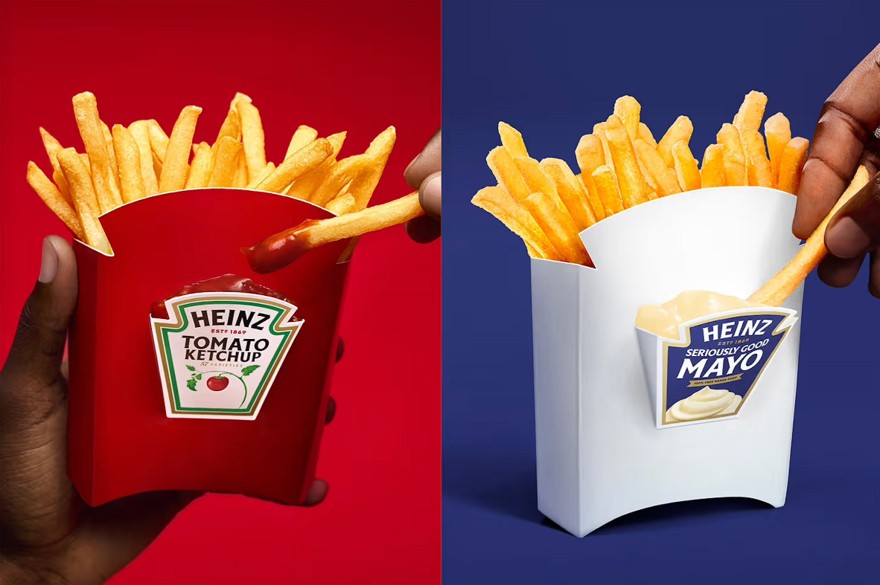
Heinz’s redesigned ketchup and mayo packages are the newest examples.
Instead of asking how to make condiments more appealing, the company asked how to make using ketchup or mayonnaise easier. The result wasn’t another advertising campaign. It was packaging that solved a small, familiar frustration– with the recognizable company keystone as hero.
The HEINZ Dipper is a first-of-its-kind fry box with a built-in compartment designed for dipping on the go, now debuting in more than 20 restaurants and sports stadiums worldwide.
McDonald’s took a different approach during Milan Design Week.
Recognizing that thousands of visitors had nowhere comfortable to eat, it transformed its takeaway packaging into a temporary table.
The restaurant didn’t change. The experience did.
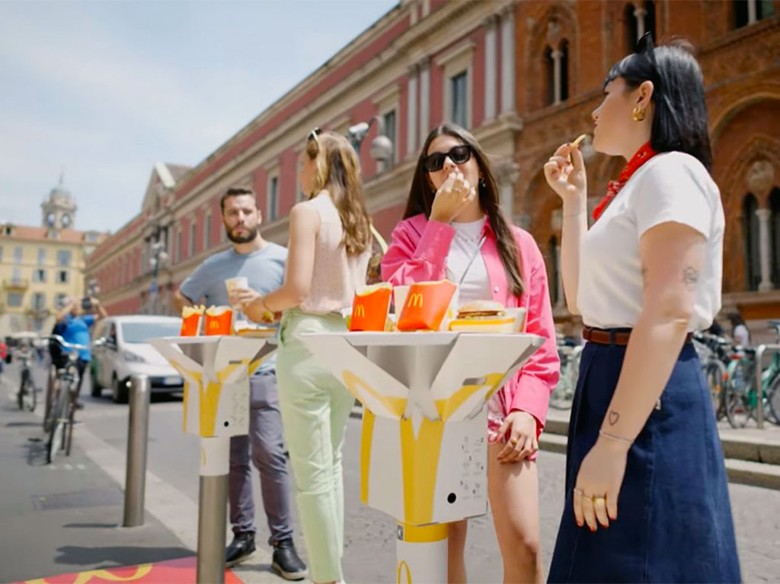
Want to See it Work?
The short video is in Italian, but the idea is wonderfully universal. Watching the to-go carrier transform into a temporary standing table makes the concept’s simplicity, originality, and usefulness even more memorable.
▶ Watch the McDonald’s Italy video
Coca-Cola’s bow label followed a similar instinct.
The brand looked at a familiar holiday ritual and removed one small inconvenience. With a simple pull, the bottle’s label transformed into a festive bow, instantly turning the bottle into a ready-to-give gift.
The bottle itself remained the same, but suddenly it became easier—and more natural—to hand someone as a small gift. The packaging quietly became part of the experience.
These specialty bottles were first launched in the UK and then popularized as a seasonal holiday tradition in Japan. They are since expanded within Europe and Asia.
Notice what’s happening.
The marketing isn’t simply surrounding the product anymore.
Increasingly, it’s becoming part of the experience itself.
Looking Beyond the Package
The same instinct appears in very different places.
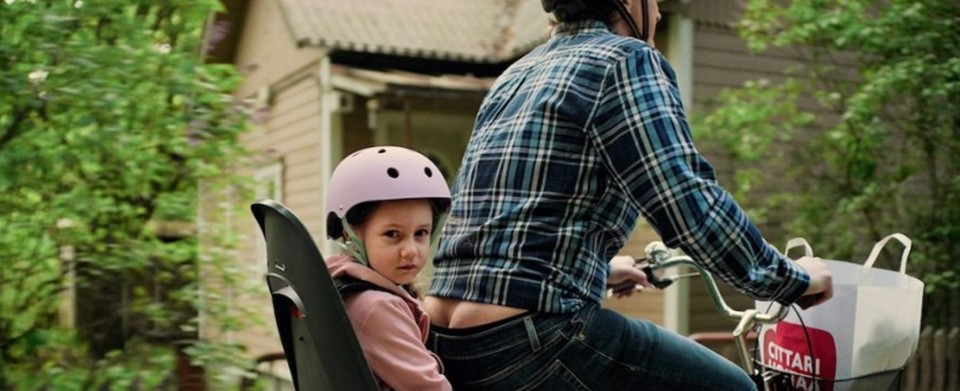
K-Citymarket, a retailer in Finland, didn’t begin with shelves full of products.
It began with a parenthood moment– the increasing needs of children as they grow…
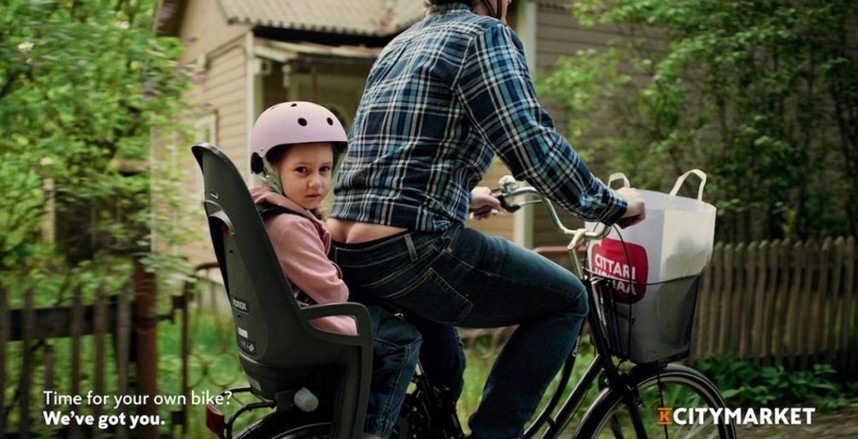
Instead of asking what people might buy, the retailer first considered what people might need (or perhaps what children might be hoping for…). The products became relevant because the human experience came first.
Every memorable idea begins with an observation. This 20-second film (in Finnish) shows how thoughtfully that observation became marketing. The campaign’s closing line—Oman pyörän aika? (“Time for Your Own Bike?”)—brings the idea full circle.
Nivea approached sun safety in much the same way. Rather than simply telling children about ultraviolet rays, it created a UV-sensitive doll that changed color in the sun—and returned to normal when sunscreen was applied. An invisible danger suddenly became something children could see and understand.
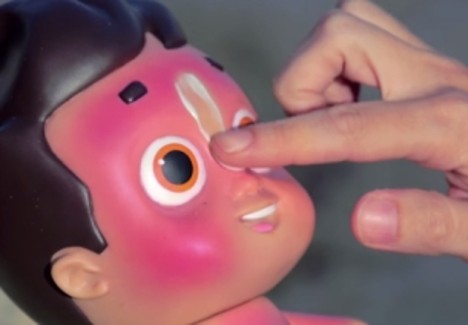
The lesson became tangible.
Again, the experience became part of the marketing.
A Different Question
None of these ideas depended on breakthrough technology.
None relied on bigger media budgets.
None shouted louder than competitors.
Most are surprisingly modest.
Yet together they seem to ask a different question.
Not: How do we communicate more effectively?
But: How might we make this experience just a little better?
That’s a subtle shift.
Sometimes the answer is found in packaging.
Sometimes in products.
Sometimes in retail.
Sometimes in education.
Sometimes in solving a problem so small we hardly notice it—until someone notices it for us.
Perhaps that’s why these ideas stay with us.
Not because they interrupt our lives.
But because they quietly improve them.
Marketing is increasingly judged not only by the stories it tells, but by the thoughtful ways it improves people’s experiences—sometimes through design, sometimes through humor, sometimes through education, and sometimes through the smallest of ideas.
Perhaps that’s one of the places where marketing increasingly seems to live.