THE EDIT | When Proof Becomes the Concept
Some brands are still focused on visibility. Others are beginning to recognize that visibility alone is no longer enough.
In an environment shaped by skepticism, overload, and constant exposure, marketing increasingly faces a different challenge: not simply getting attention, but demonstrating credibility, usefulness, transparency—or even self-awareness.
This week’s examples from Shein, a Finnish bakery brand, IKEA and Antler Luggage point to a broader shift. Increasingly, brands are not just creating messages. They are redesigning experiences, exposing systems, reframing behavior, or building services that acknowledge how people actually live.
SHEIN | When Image Becomes the Product
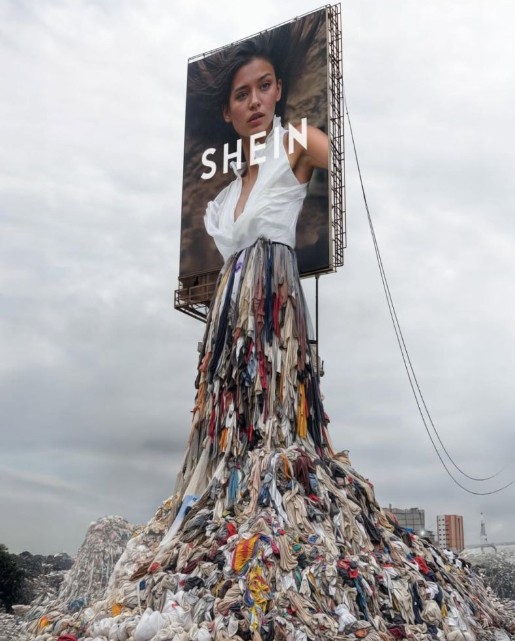
The criticism surrounding Shein has become increasingly difficult to separate from the scale and velocity of fast fashion itself. One striking visual circulating online captures the tension perfectly: an enormous SHEIN billboard where the model’s dress appears to dissolve into a mountain of discarded clothing.
Whether officially sanctioned or culturally repurposed, the image resonates because it collapses branding, consumption and waste into a single visual statement.
The larger signal may be that image alone no longer guarantees aspiration. In a culture increasingly shaped by visibility and scrutiny, consumers are beginning to evaluate not only how brands look—but what their systems produce.
Finnish Bakery | When Proof Becomes the Content
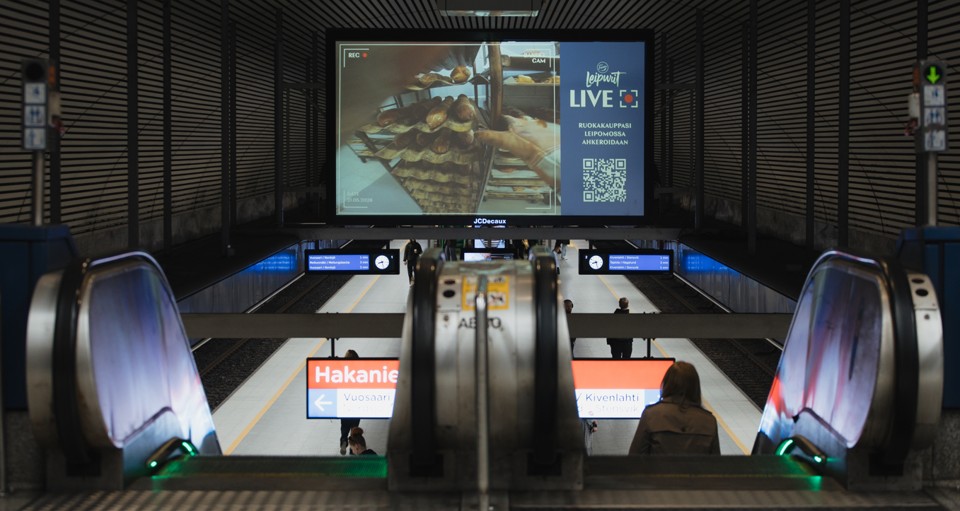
At a Helsinki transit station, commuters recently encountered a live feed from inside a bakery oven. Rather than relying on polished messaging about freshness, the campaign simply let people watch bread being baked in real time by Fazer Leipurit.
The idea was remarkably simple: make proof itself the communication.
In many ways, this reflects a broader marketing shift. As trust becomes harder to manufacture through language alone, brands increasingly turn toward radical visibility, process transparency and demonstrable evidence. In some cases, showing may now matter more than telling.
IKEA | When Context Creates Meaning
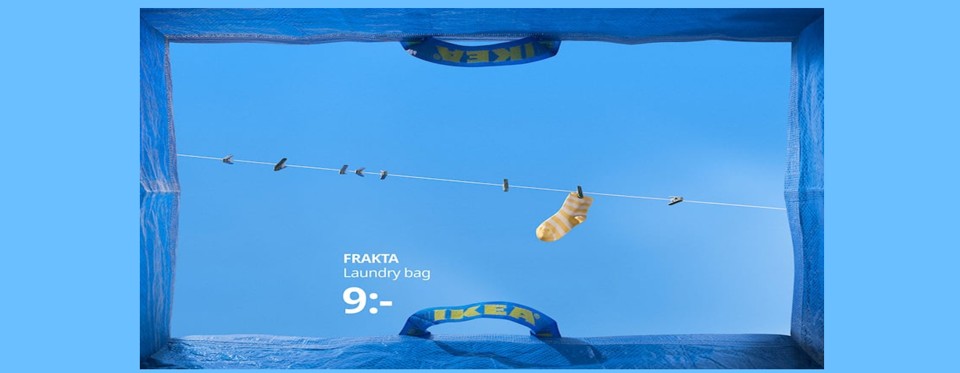
IKEA has long understood that some of its strongest marketing emerges not from polished storytelling, but from observing how people actually behave.
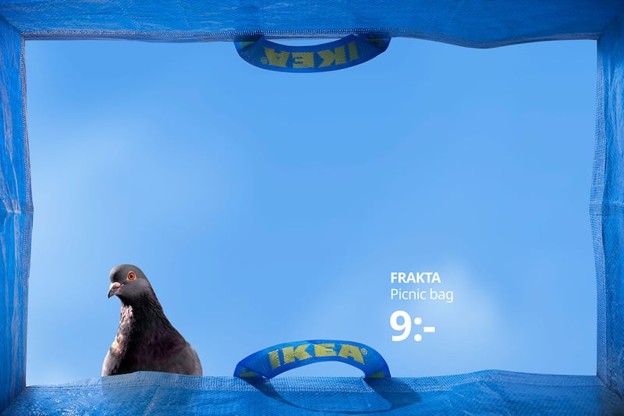
Its recent FRKTA picnic bag campaign transformed the iconic blue IKEA bag into an unexpected outdoor accessory—illustrated through a quietly humorous image featuring a pigeon seemingly enjoying the bag as shelter and vantage point.
The campaign works because it reframes a familiar object without overexplaining it. More importantly, it recognizes that meaning increasingly comes from context, reinterpretation and participation rather than fixed product narratives.
The strongest contemporary brands often leave room for consumers to complete the story themselves.
ANTLER | When Experience Adapts to People
For many years, accessibility in digital commerce was treated as a compliance requirement or secondary feature. Increasingly, however, brands are beginning to recognize accessibility as part of experience design itself.
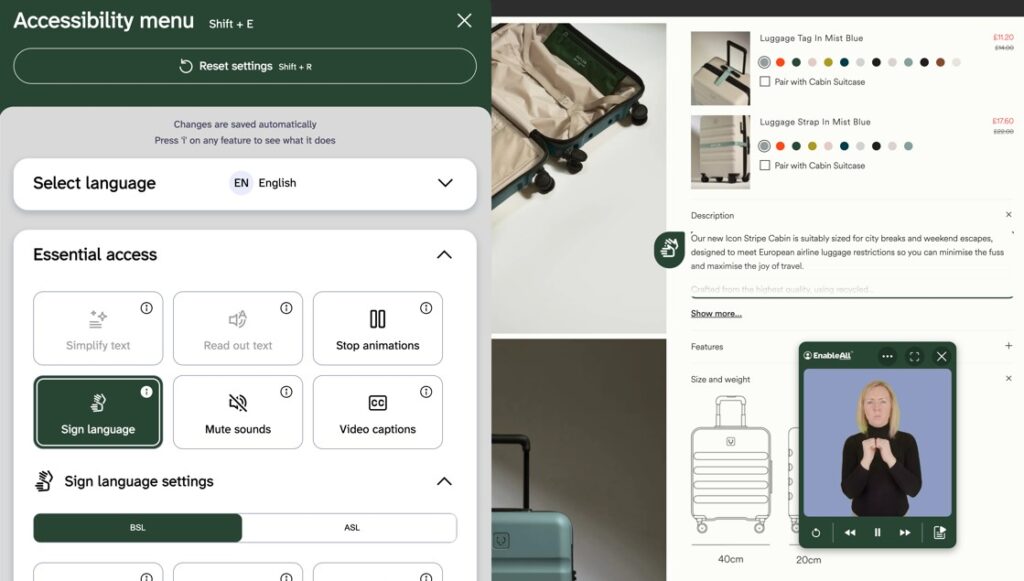
Antler recently introduced a range of accessibility tools across its digital platform, including sign-language support, simplified interfaces, captioning and motion controls designed to adapt to different user needs.
What makes the initiative notable is not simply the technology. It reflects a larger recognition that personalization is evolving beyond recommendation algorithms or targeted offers. The next generation of customer experience may increasingly depend on whether brands can adapt environments, interfaces and interactions to real human variability.
In that sense, accessibility is no longer peripheral to brand experience. It is becoming part of how thoughtful brands define usefulness itself.
Taken together, these examples point toward a broader shift in marketing culture. As consumers become more skeptical of polished narratives alone, brands are increasingly being evaluated through systems, behavior, transparency, adaptability and lived experience.
The question may no longer be simply:
What does a brand say?
But increasingly:
What does a brand reveal?