Media Innovation 2026: From Participation to Impact
The winners of The Internationalist’s 18th Annual Awards for Innovation in Media offer more than a collection of strong ideas—they provide a clear view of how media is evolving.
Across categories, markets, and budgets, one theme stands out: media is no longer simply a channel for communication. It is becoming a system for participation, utility, and real-world impact.
This year’s winners reveal how far media has already evolved.
SEE ALL WINNERS HERE.
Media Is Becoming Infrastructure
Some of the most awarded work no longer treats media as a vehicle for messaging—but as a functional system.
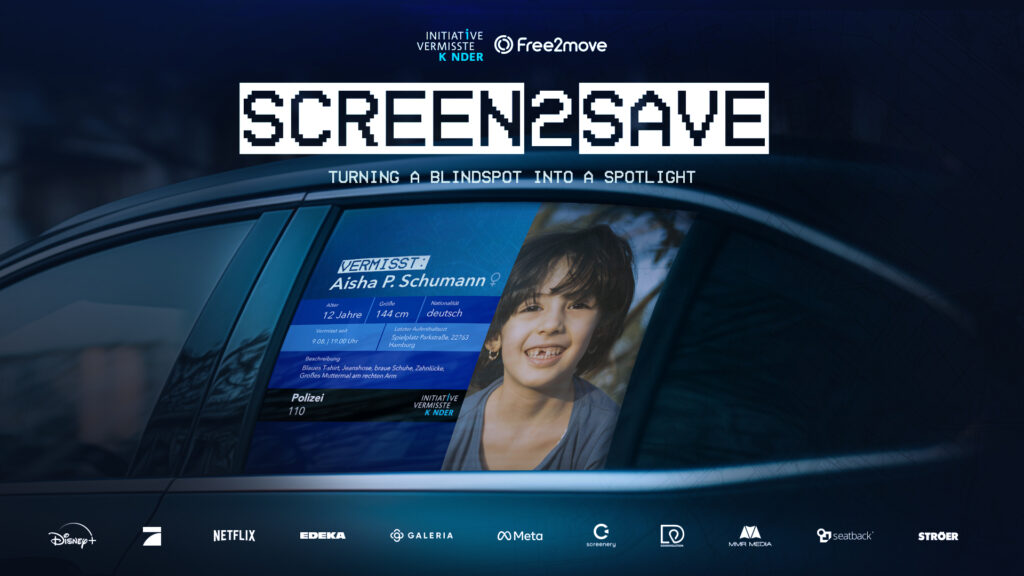
Initiatives such as Screen2Save, which transforms digital screens into real-time missing-child alert networks, and The E.ON AdBreak, which rethinks the very structure of advertising breaks, demonstrate how media can operate as infrastructure—delivering utility, enabling action, and solving real-world challenges.

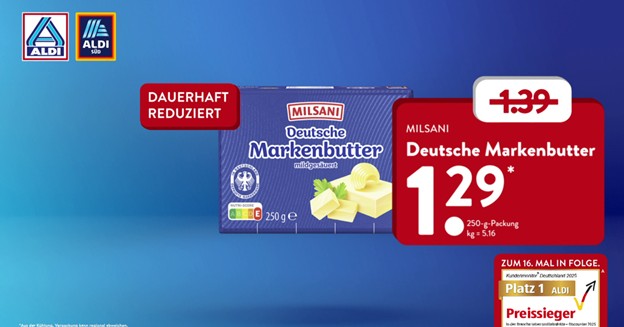
Even retail and broadcast systems are being re-engineered, as seen in ALDI’s Ad hoc TV, where television itself becomes responsive to real-time market conditions.
In these cases, reach is not the outcome—it is the foundation.
Participation Is Replacing Interruption
Across many winners, audiences are no longer passive recipients—they are active participants.
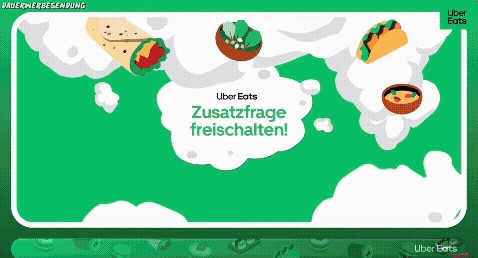
Gaming and live-stream environments are leading this shift. Work such as The Mystery Streamer (Uber Eats), PLAYMOBIL’s Roblox Unbox, and JOIN THE FUTURE Redstone Challenge demonstrate how brands are embedding themselves into interactive ecosystems where engagement is voluntary and sustained.

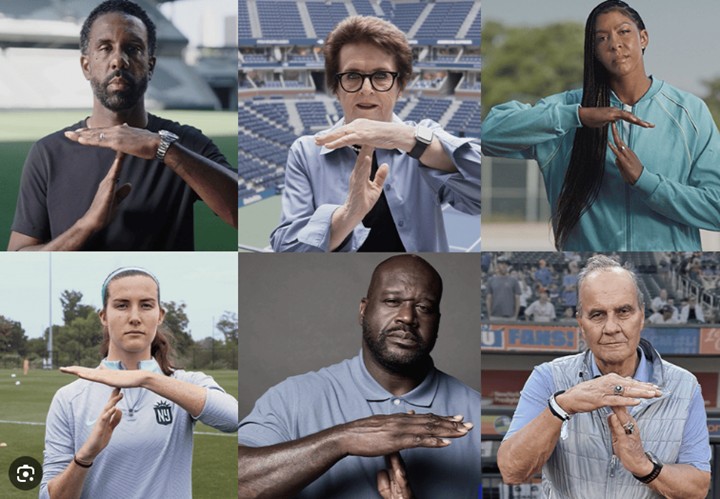
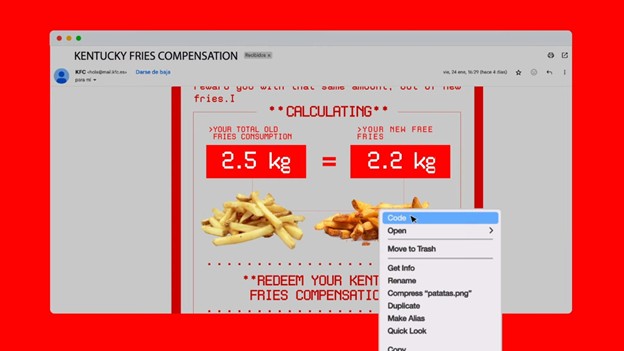
Even outside gaming, participation is central. #TimeOutAgainstHate turned a simple sports gesture into a shared national act, while KFC’s Fries Compensation transformed customer response into a real-time brand interaction.
In an attention economy, participation is proving more powerful than interruption.
Utility Is the New Creative
A growing number of ideas succeed not because they say something compelling—but because they do something useful.
From life-saving systems like Screen2Save to behavior-shaping ideas such as Knorr’s #UnlockYourGreenFlag, which turns cooking into a visible social signal, media is increasingly valued for its function.
Even service-based ideas, like Vodafone’s Moving Helpers, show how brands can meet people at moments of need, turning disruption into assistance.


This marks a shift from persuasion to participation through usefulness.
Culture Is the New Media Channel
Rather than placing messages into media environments, brands are embedding themselves into cultural behaviors.
Gaming, sport, retail, and everyday routines are becoming the platforms themselves.
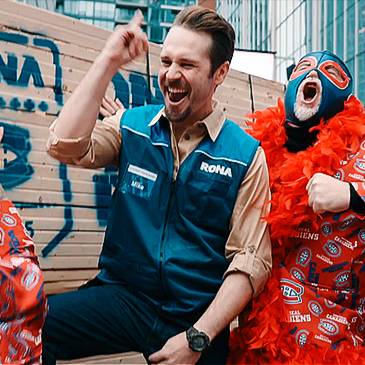
FireCatchers engages new audiences through interactive public service participation, while McDonald’s, RONA, and REWE turn everyday commerce and local behaviors into moments of creative engagement.
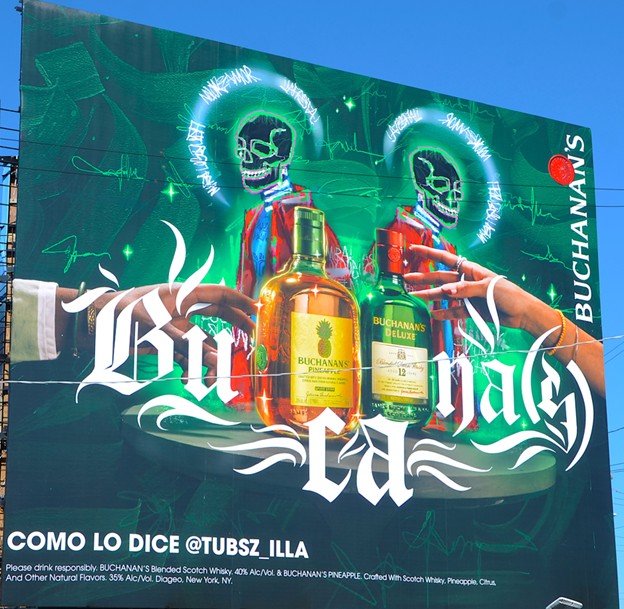
Similarly, Buchanan’s Zip Codes and Cesar x TripAdvisor demonstrate how brands can build relevance by aligning with identity, lifestyle, and community.

The most effective work doesn’t interrupt culture—it becomes part of it.
AI Is Most Powerful When It Disappears
While AI plays a role in many winning campaigns, its presence is often invisible.
It powers systems rather than messages—enabling real-time responsiveness, predictive targeting, and seamless experiences.
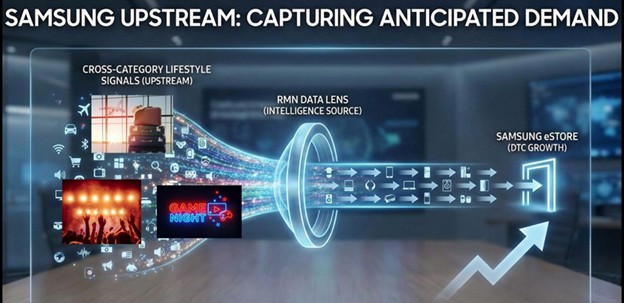
Examples include Samsung’s RMN Upstream, which anticipates demand before it peaks, and Volkswagen Commercial Vehicles’ real-time Twitch integration, where AI enables contextual responses within live environments.
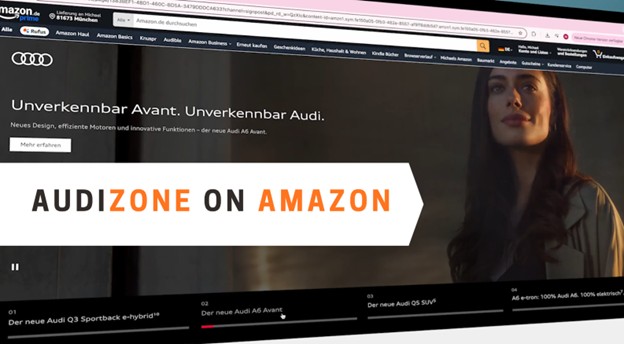
Even complex ecosystems like Audi’s Amazon Brand Space rely on AI not as a headline, but as the connective intelligence behind the experience.
The strongest work doesn’t showcase technology—it uses it to feel intuitive and human.
Commerce, Content, and Media Are Converging
The boundaries between brand-building and performance continue to dissolve.
Retail, entertainment, and purchase moments are increasingly the stage for media ideas.
Work such as Google’s Can You Gift It?, Domino’s Emergency Pizza, and LIDL’s everyday retail activations demonstrates how engagement and conversion can happen simultaneously.
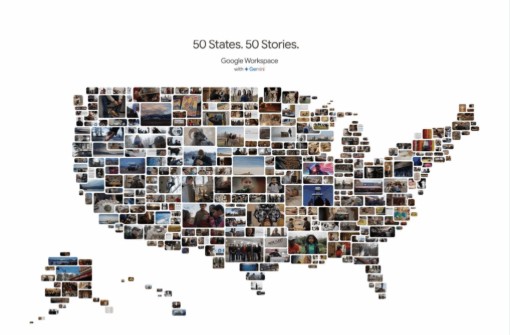
At the same time, storytelling is becoming more integrated into commerce ecosystems, as seen in Google Workspace’s 50 States, 50 Stories and Mazda’s long-form branded content approach.
Media is no longer a step in the journey—it is the journey.
Toward a New Definition
What distinguishes this year’s winners is not only creativity, but a shared ambition to rethink how media works.
From infrastructure to experience, from messaging to utility, and from interruption to participation, the evolution is clear.
Media is no longer defined by where it appears—but by what it enables.
ABOUT THE AWARDS:
The Internationalist Awards for Innovation in Media are designed to recognize work that not only delivers results but also advances how marketing works. Judged by a global community of marketers, each case is evaluated for its ability to combine strategy, innovation, and measurable results—ensuring that the ideas honored here reflect real-world relevance and forward momentum for the industry.