Where Experience Lives Now
Barbie at Coachella. Playmobil on Roblox. Kellogg’s back in the box.
Different executions. Same shift.
Marketing is moving from exposure to experience—and ultimately, to memory.
Marketing has spent the last decade expanding outward—into platforms, ecosystems, and endless points of connection.
But something is shifting.
Not backward, exactly. But inward—toward experience itself.
Three very different ideas—Barbie at Coachella, a Playmobil launch inside Roblox, and the return of cereal box prizes—suggest the same underlying change:
Experience isn’t confined to one place anymore.
And increasingly, the most meaningful ones move between worlds… and between people.
Barbie at Coachella: Culture as Experience
At Coachella, Barbie didn’t arrive as a campaign. It arrived as a presence with an immersive “You Can Be Any Barbie” activation.
In a setting defined by identity, expression, and participation, the brand didn’t need to explain itself. It simply existed within the experience people were already creating and sharing —with each other.
This is a different kind of visibility. Not interruption. Not even integration.
But participation.
It reflects a broader shift:
Brands are no longer just trying to be seen in culture. They are trying to exist within it.

Playmobil: Experience Before Ownership
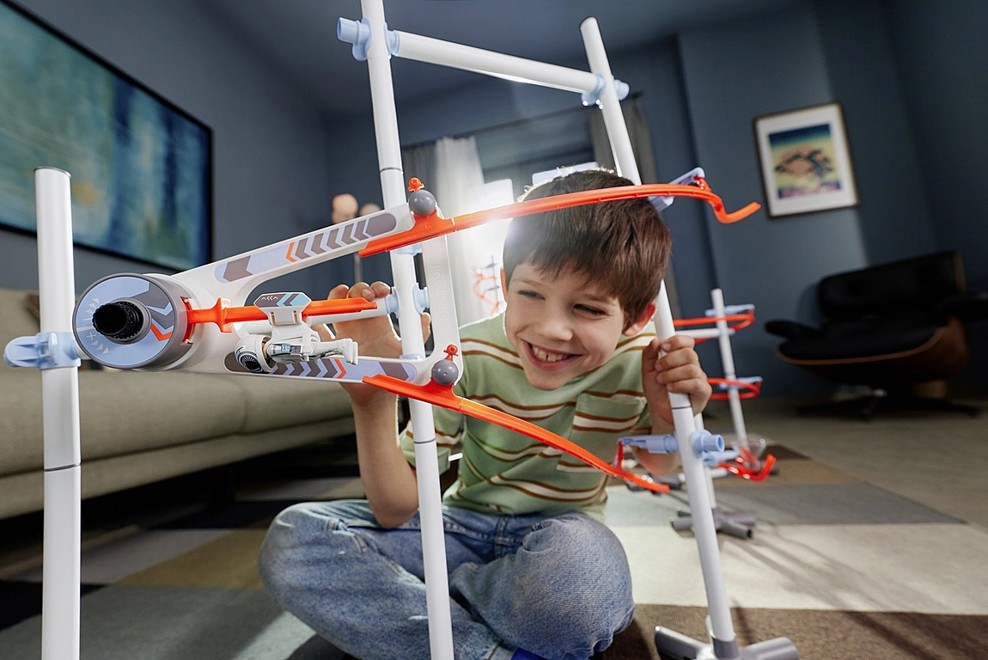
Recognized by The Internationalist’s Media Innovation Awards, Mediaplus Germany’s approach demonstrates how digital environments can build familiarity for physical products before they are ever experienced in real life.
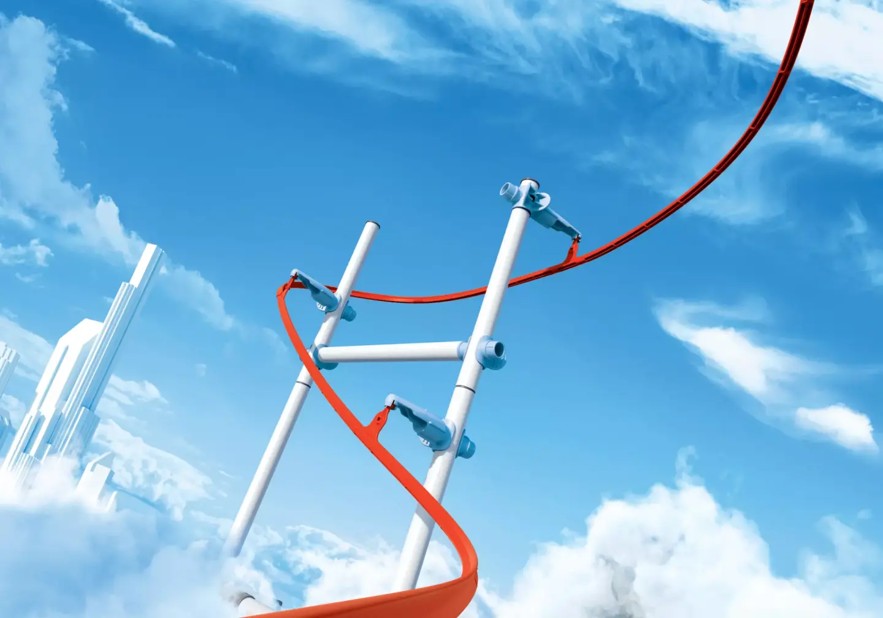
For Playmobil’s Sky Trails launch, the challenge was clear: reach a generation already immersed in digital worlds—with a physical product.
The solution wasn’t to pull them out of those environments. It was to meet them there.
Inside Roblox, Playmobil created a fully immersive version of Sky Trails, allowing kids to build, test, and experience the product together in a shared digital environment. In other words, an online game was used to “unbox” a physical experience.
The impact was immediate:
- Millions of interactions
- Strong awareness for a new brand
- High intent to purchase
More importantly, it reframed the role of digital.
Not as a replacement for the product.
But as a gateway to it.
And importantly, as a space where experience is shaped not just by the brand, but by other participants.
The first experience wasn’t ownership. It was familiarity.
Kellogg’s: Memory Inside the Box
If Playmobil starts in the digital world, Kellogg’s is moving in the opposite direction.
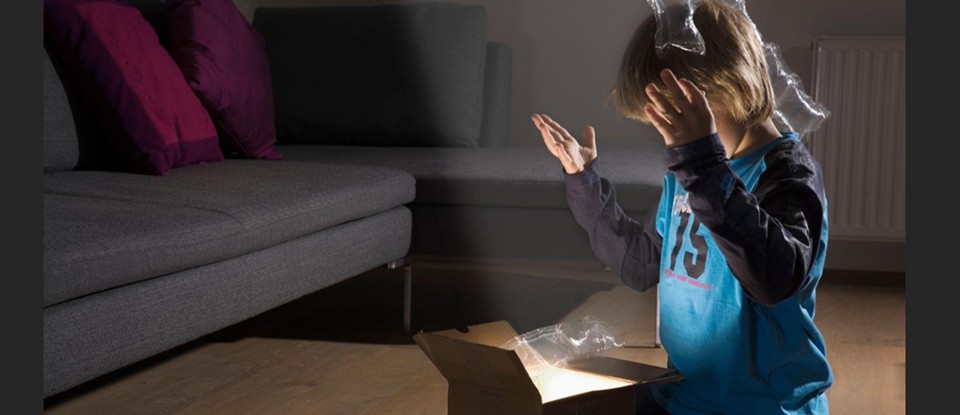
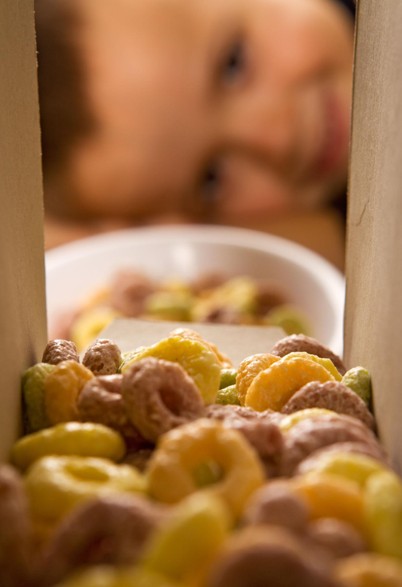
By reintroducing toys inside cereal boxes, the brand is reviving a form of engagement that once defined everyday experience.
For those who grew up with it, the ritual is instantly recognizable:
- reaching into the box
- finding something unexpected
- claiming it as your own
It’s a small moment. But a lasting one.
And notably, it requires nothing else:
no second screen
no follow-up action
no external destination
The experience is complete in itself.
It isn’t shaped by others.
It’s personal.
In a landscape dominated by digital interaction, that simplicity feels newly powerful.
From Exposure to Experience to Memory
Taken together, these examples point to a broader shift.
Marketing is no longer just about exposure.
Or even engagement.
It’s about where experience begins—and where it stays.
- Sometimes it starts in culture (Barbie)
- Sometimes in digital simulation (Playmobil)
- Sometimes in physical discovery (Kellogg’s)
But the most effective ideas no longer choose one.
They connect them—allowing experiences to move across contexts, and between people.
The Moment Something Becomes Real
For years, marketing moved away from the product—into media, platforms, and extensions.
Now, it’s finding its way back.
Not by abandoning digital.
But by rethinking how digital and physical work together.
Because what people ultimately remember isn’t the channel.
It’s the moment— and how that moment is shared, shaped, and experienced with others.
The moment something becomes real.
What people remember is still surprisingly simple: the moment something becomes theirs.