Fashion Didn’t Change Its Mind About Age. The Market Did.
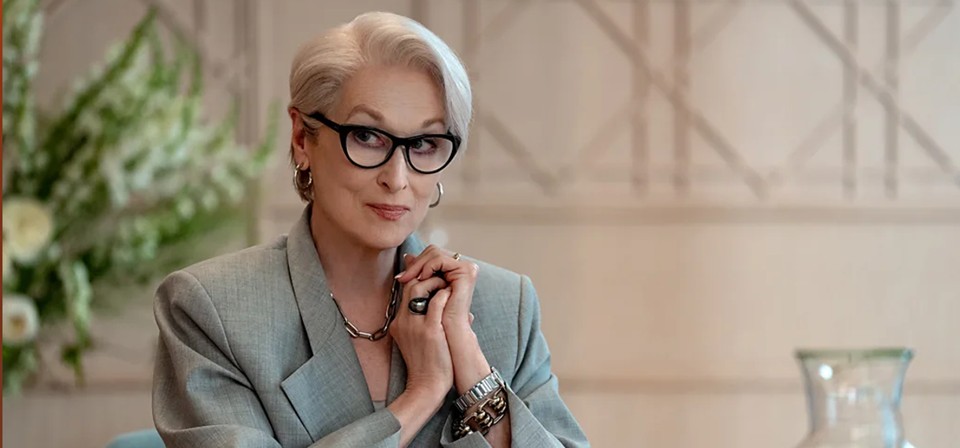
Image: Miranda Priestly at her desk (Credit: 20th Century Fox)
As older women gain visibility on runways and in culture, the shift signals something deeper than inclusion—it reflects a reset in how value, authenticity, and relevance are defined.
Fashion didn’t suddenly “discover” older women.
It finally ran out of reasons to ignore them.
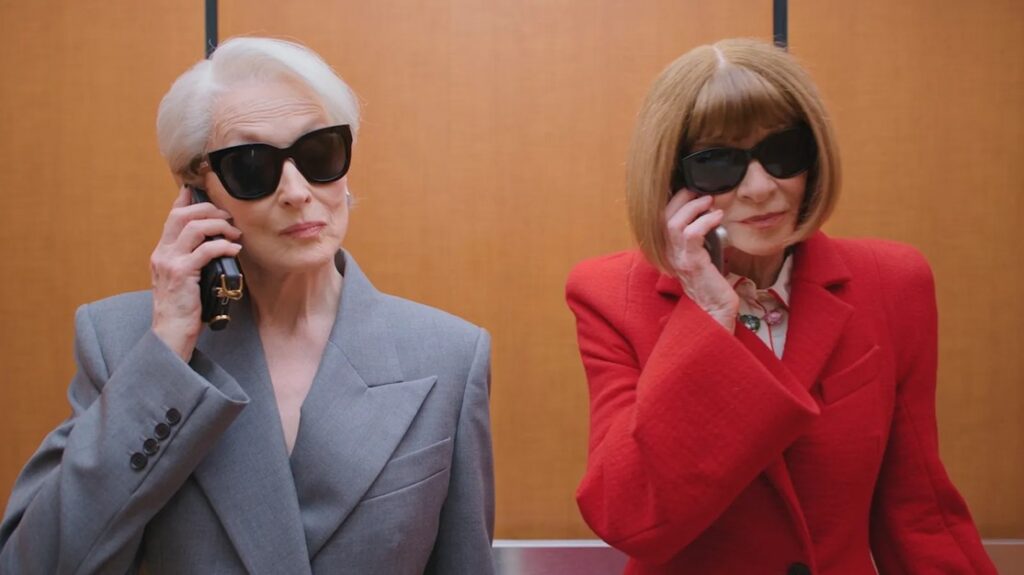
A recent wave of imagery—captured across publications from The New York Times to Vogue—highlights what appears to be a breakthrough moment: runways featuring women well beyond fashion’s traditional age limits, front rows defined less by youth than by presence, and even a Vogue cover featuring two 76-year-olds. In an industry long defined by the mythology of newness, age is no longer being concealed—it’s being emphasized.
On the surface, it feels like progress.
But the shift underway is more structural than symbolic.
From Erasing Time to Showing It
For decades, fashion has built its identity on the removal of time—smoothing, filtering, and idealizing youth into a consistent visual standard. Age, when acknowledged at all, was treated as something to soften or disguise.
That model is now under pressure.
Across recent collections, brands from Chanel to Bottega Veneta to Tom Ford have included a noticeable number of older models, often without altering their appearance to conform to younger ideals. Gray hair, lines, and lived-in features are increasingly visible—not as exceptions, but as deliberate choices.
This isn’t happening in isolation. It reflects a broader cultural shift in which the polished, algorithmically perfected image is losing some of its appeal. In its place, a different kind of value is emerging—one tied to individuality, presence, and experience.
The Economics Behind the Aesthetic
If the cultural signals are becoming more visible, the economic rationale has been clear for some time.
Consumers over 55 hold more than 70% of U.S. wealth and account for a significant share of consumer spending. At a moment when growth in fashion and luxury has slowed, ignoring that audience is no longer sustainable.
What’s changing is not just the recognition of that spending power—but how it is being expressed.
Rather than speaking to older consumers indirectly, or through softened representations, brands are beginning—however cautiously—to reflect them more directly.
A New Kind of Visibility—and Its Limits
Yet the shift is not without its contradictions.
The women now being celebrated are often highly visible, professionally accomplished, and culturally influential. Age is being embraced—but frequently in combination with status, access, and continued relevance.
In that sense, fashion is not simply redefining age. It is reframing it.
Age alone is not the story.
Age plus influence, presence, and individuality—that is what is being elevated.
This nuance matters, because it reveals both progress and constraint. While the industry may be moving toward greater age inclusivity, it is doing so within existing definitions of beauty and success.
From Demographic to Signal
For marketers, this moment points to a broader shift.
For years, older consumers have been treated as a segment—important, but often addressed cautiously or generically. What is emerging now suggests something different.
Age is no longer just a demographic category.
It is becoming a signal.
A signal of:
- credibility
- lived experience
- a distinct point of view
And in a marketplace shaped by sameness—where visual and cultural cues are increasingly standardized—that signal carries weight.
From Aspiration to Access
What makes this moment feel different is not just who is being shown—but how the system around them is changing.
Even beyond traditional fashion houses, the signals are becoming harder to ignore.
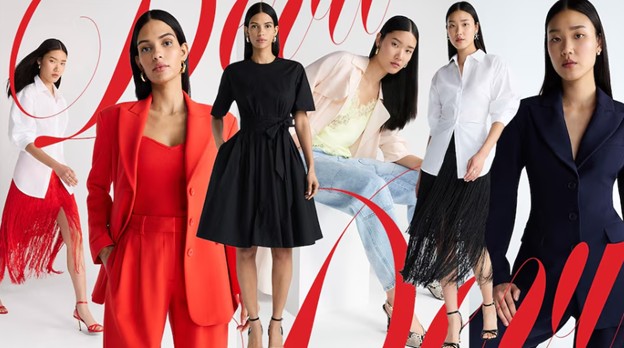
A recent collaboration from Walmart, inspired by The Devil Wears Prada 2, translates the visual language of editorial fashion into something far more widely accessible—timed not just to a trend cycle, but to a broader cultural moment.
At the same time, JCPenney’s reframing of style through unexpected geographies—“Paris, Texas” or “Venice, California”—suggests that fashion credibility is no longer anchored in traditional markers like couture capitals, celebrity weddings, or elite venues, but in how it connects.
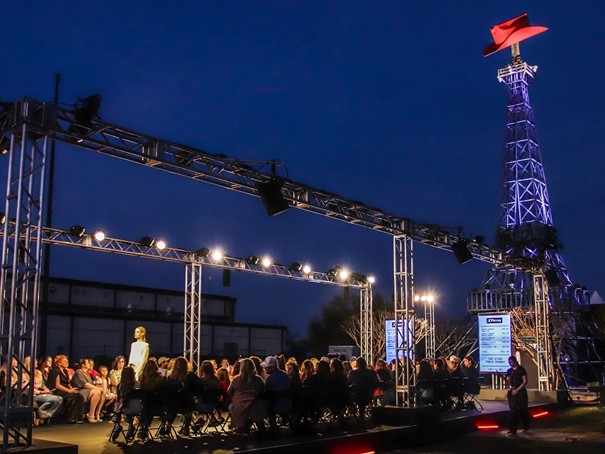
Taken together, these moves don’t signal a sudden embrace of inclusivity. They reflect something more fundamental: a market that is redefining relevance on its own terms.
The shift isn’t about bringing more people into fashion.
It’s about acknowledging that they were already there—waiting to be seen.
Why This Moment Feels Different
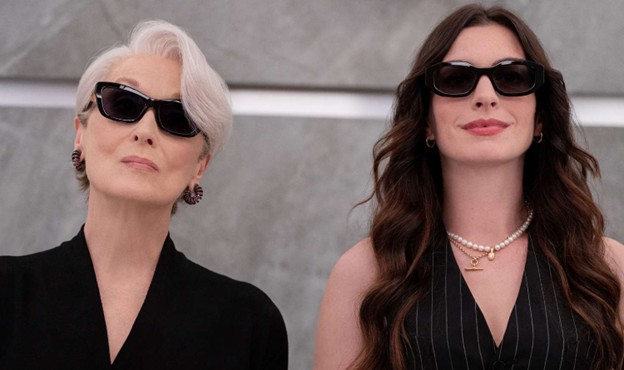
It is not coincidental that this conversation is unfolding alongside renewed attention to The Devil Wears Prada 2—a story that was never only about fashion, but about authority, taste, and the tension between relevance and time.
Two decades later, the anticipation surrounding its return suggests that audiences are not simply nostalgic. They are responding to something more enduring:
The idea that influence, identity, and presence do not expire—they evolve.
What Comes Next
Fashion may be one of the most visible arenas for this shift, but it will not be the last.
As growth becomes harder to sustain and differentiation more difficult to achieve, other categories will face the same challenge: how to move beyond a narrow definition of aspiration and reflect a broader, more realistic understanding of value.
The question is no longer whether age belongs in the conversation.
It is whether marketing is prepared to understand what it represents.
Part of The Internationalist’s ongoing exploration of relevance, longevity, and market-driven change.